

World Children's Day Serves as a Reminder of the Role that Vaccines Play
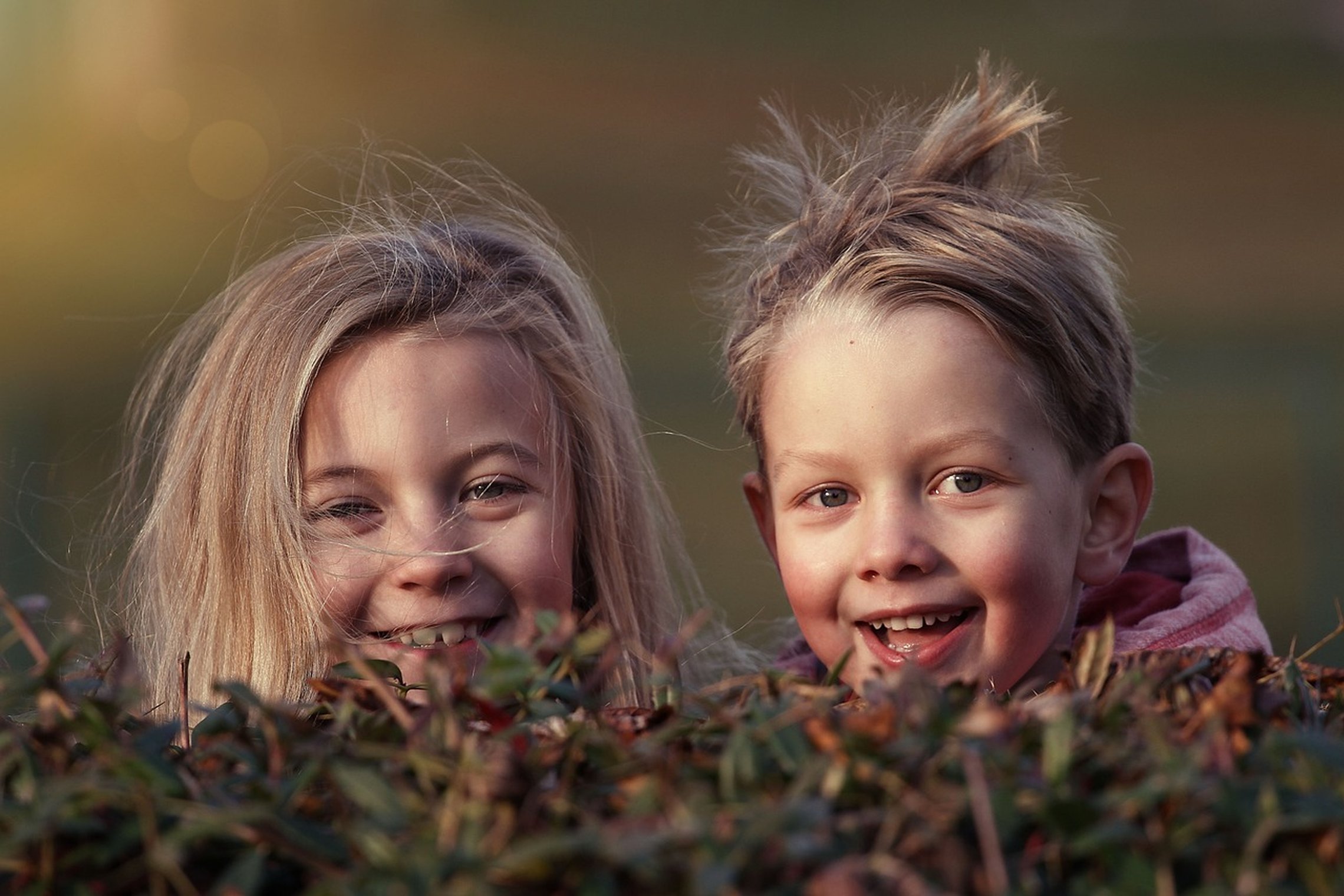
As of this year, 20 November – World Children's Day – is officially included in the calendar of days to remember. The day has special significance because it was on 20 November that the United Nations Declaration on the Rights of the Child was adopted in 1959, and the United Nations Convention on the Rights of the Child was adopted in 1989. The Convention on the Rights of the Child sets out the fundamental rights of children, including the right to life, education, health, protection from violence and exploitation, and participation in decisions that may affect their lives.
On World Children's Day, the National Public Health Centre (NPHC) under the Ministry of Health is focusing on vaccinations, highlighting their importance for children's health and well-being.
Why is it important to vaccinate children?
Vaccination is an essential tool that protects both individual children and society from communicable diseases and their risks. Vaccinating a large proportion of the population builds collective immunity that protects not only those who are vaccinated but also those who cannot be vaccinated due to health issues, such as very young children or individuals with weakened immune systems. In addition, vaccination helps prevent the onset of diseases and even potential outbreaks. Vaccines also protect against serious diseases that may cause complications, such as pneumonia, hearing loss, and brain inflammation.
Priority: Increasing vaccination coverage
To prevent the spread of vaccine-preventable diseases in society, vaccination coverage must be ensured. This is measured as the percentage of children vaccinated in specific age groups. The most important indicators are the vaccination coverage of children aged 1 and 2 years o fage against diphtheria, whooping cough, polio, and measles. These indicators are also the criteria used by the World Health Organization (WHO) to assess primary immunisation coverage.
According to WHO, good vaccination coverage is achieved when 90-95% of the target population is vaccinated. The National Immuno-Prophylaxis Programme for 2024-2028 aims to increase vaccination coverage, ensuring that at least 90% of children nationwide and in every municipality are vaccinated, and that at least 95% of children are vaccinated against measles and rubella.
Until 2009, vaccination coverage in Lithuania, according to the Preventive Vaccination Schedule for Children of the Republic of Lithuania, was sufficiently high (94-99% of children vaccinated in various age groups) to control communicable diseases for which vaccines are designed. However, since 2010, vaccination coverage for all these diseases has been declining in Lithuania.
Complying With WHO Recommendations
Declining vaccination coverage creates vulnerable groups and poses a real risk of the re-emergence of forgotten communicable diseases (measles, rubella, whooping cough, diphtheria, etc.). Preventive Vaccination Schedule for Children of the Republic of Lithuania aligns with WHO recommendations on immunisation programmes and is comparable to Preventive Vaccination Schedule for Children used in other European Union (EU) and European Economic Area (EEA) countries.
In Lithuania, the Preventive Vaccination Schedule for Children provides public-funded vaccinations for newborns, infants, and children against 14 infections. It is essential for children to receive all the vaccines included in the Vaccination Schedule.
We urge parents to make responsible decisions about their children's vaccinations. If they have any questions or doubts, they should consult their family doctors, who can provide science-based information.
Let us take responsibility for the health of our children and society as a whole.
Last updated: 20-11-2024
Related news:
The Second Peak of Tick Activity Begins in Autumn
NPHC: Don’t forget about tetanus protection when working outdoors
Preserving Season Is in Full Swing: NPHC Warns of the Hidden Risk of Botulism
The Start of the School Year Is the Right Time to Check Your Child’s Vaccinations
On World Mosquito Day, NPHC Reminds Travellers to Protect Themselves Against Mosquito Bites