

NPHC advises checking water quality before swimming
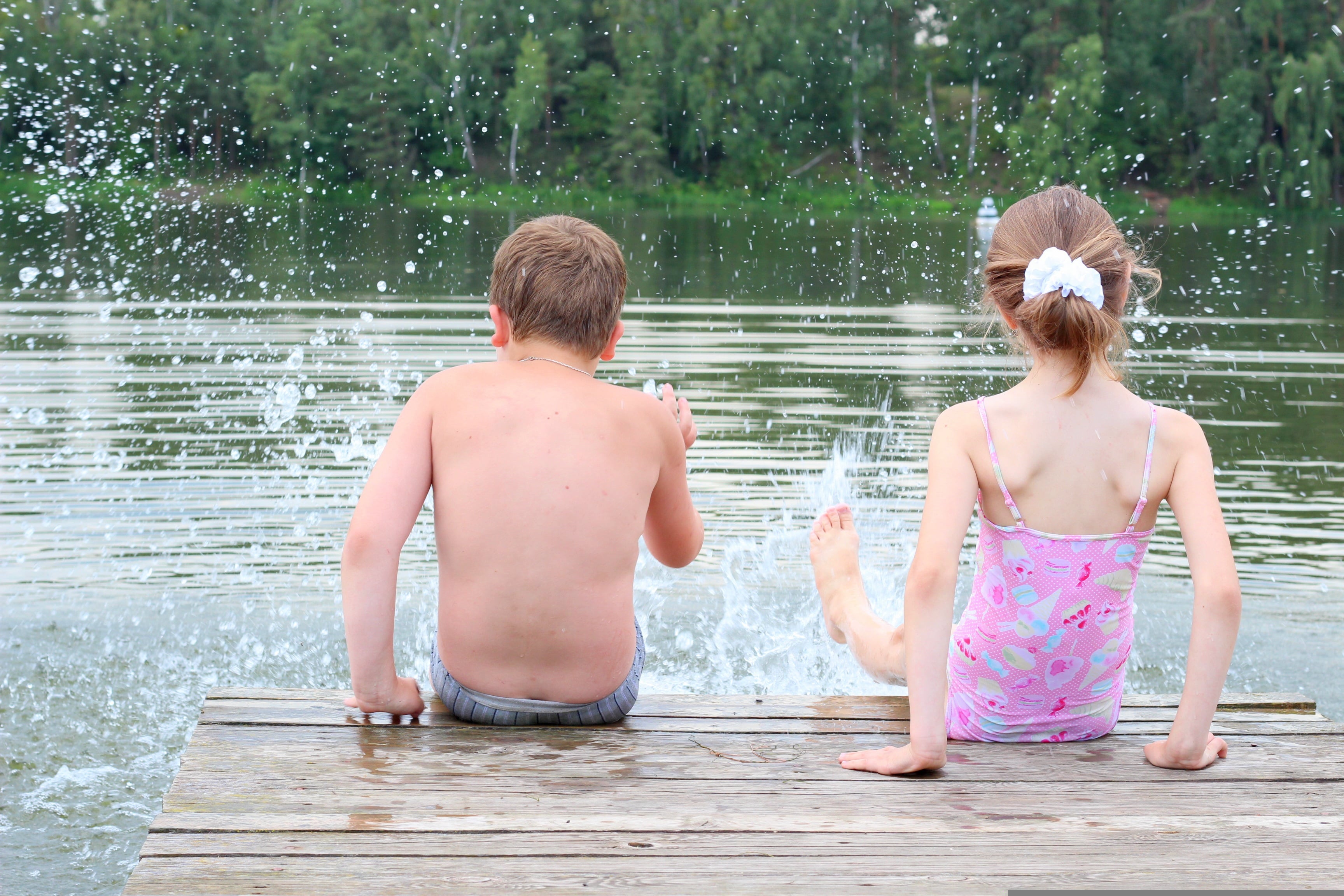
Although summer weather has so far been changeable and not always inviting for swimming, spending time near lakes, rivers, and ponds remains one of the most popular leisure activities. Specialists from the National Public Health Centre under the Ministry of Health (NPHC) remind the public that safe swimming begins with choosing a suitable location. Before heading to a lake, river, or pond, it is worth checking the water quality, as contaminated water may pose a risk to health and cause various infectious diseases.
Contaminated water may cause infections
Pathogens typically enter water bodies through wastewater, agricultural runoff, and human or animal faecal contamination. Water may contain bacteria, viruses, and parasites capable of causing gastrointestinal, skin, and other infections.
Infection most commonly occurs after swallowing contaminated water; however, certain microorganisms may also enter the body through the mucous membranes of the eyes, nose, or mouth. In such cases, symptoms after swimming may include nausea, vomiting, diarrhoea, abdominal pain, fever, skin rashes, or itching. In some cases, wound infections may also develop.
“The greatest risk of infection occurs when contaminated water is accidentally swallowed while swimming, which is why supervision of children is particularly important. However, it is not possible to reliably assess water safety based on its appearance alone. Caution should be exercised when water appears cloudy, has an unpleasant odour, has changed colour, or is ‘blooming’. It is also advisable to avoid swimming after heavy rainfall, when various pollutants may be washed into water bodies,” says Aušra Bartulienė, Chief Specialist of the Communicable Diseases Management Division at NPHC.
When should you be concerned?
Even swallowing a small amount of contaminated water may lead to infection. However, if you accidentally ingest water while swimming, it is usually sufficient to monitor your health for a few days. You should seek medical attention if symptoms such as nausea, vomiting, diarrhoea, fever, severe abdominal pain, skin rashes, intense itching, or wound suppuration occur after swimming.
Particularly vulnerable groups include young children, older adults, pregnant women, individuals with chronic diseases, and those with weakened immune systems, as infections may be more severe in these populations.
Where to find information on water quality?
NPHC recommends choosing only officially designated bathing sites supervised by municipalities, where regular water quality testing is carried out. The most recent bathing water quality data is published on the website of the Institute of Hygiene.
Last updated: 19-06-2026
Related news:
The Second Peak of Tick Activity Begins in Autumn
NPHC: Don’t forget about tetanus protection when working outdoors
Preserving Season Is in Full Swing: NPHC Warns of the Hidden Risk of Botulism
The Start of the School Year Is the Right Time to Check Your Child’s Vaccinations
On World Mosquito Day, NPHC Reminds Travellers to Protect Themselves Against Mosquito Bites