

NPHC: Poorly Maintained Sandpits May Become a Source of Communicable Diseases
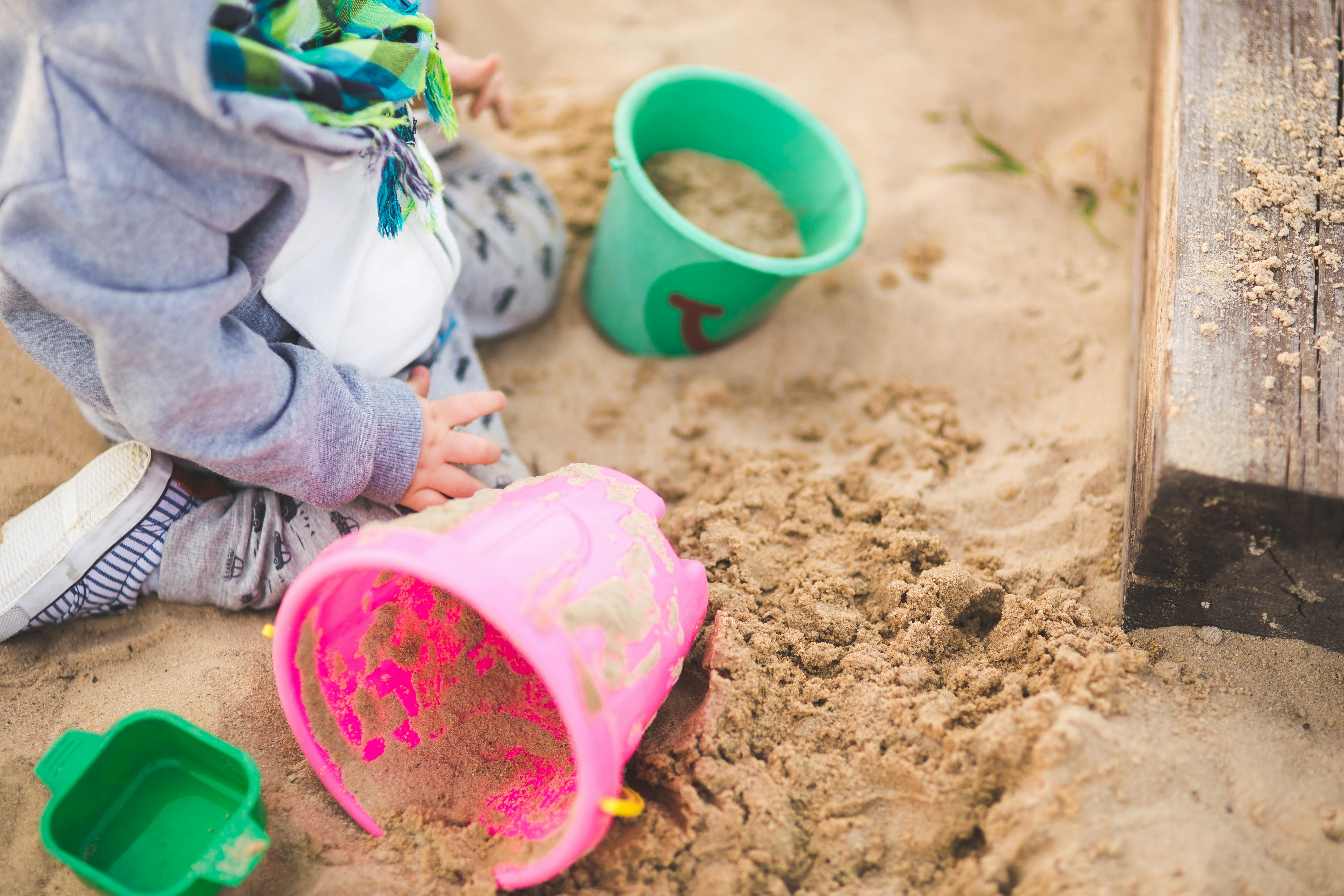
During the summer, children spend more time outdoors, and playing in sandpits is one of their favourite activities. Sandpits are constructed in kindergartens, school grounds, residential courtyards, and private properties. The National Public Health Centre (NPHC) reminds the public that poorly maintained sand may become a risk factor for the spread of communicable diseases.
Higher risk for children
Contaminated sand may contain not only various parasite eggs but also disease-causing bacteria and viruses. These infections most commonly spread through unwashed hands. Microorganisms present in sand can cause acute intestinal infections, while parasites enter uncovered sandpits through animal (dogs’ and cats’) faeces, leading to diseases such as toxocariasis and toxoplasmosis.
According to NPHC data, toxocariasis and intestinal infectious diseases are more common among children than adults. In 2025, the highest incidence of toxocariasis was recorded in the 4–14 age group, while acute intestinal infections were most common among children aged 0–6. This higher incidence among children may be associated with more frequent contact with soil or sand, especially in playgrounds, as well as still-developing hygiene habits.
“While playing in sandpits, children often touch their faces and put their hands in their mouths. Therefore, even microorganisms and parasites that are not visible to the naked eye can become a source of infection. This is why not only sandpit maintenance is important, but also continuous education of children’s hygiene habits,” says Aušra Bartulienė, Chief Specialist of the Communicable Diseases Management Division at NPHC.
Regular maintenance helps ensure safety
Proper sandpit maintenance is one of the simplest and most effective preventive measures. To reduce the risk of contamination, unused sandpits should be covered to prevent animals from entering. It is also recommended to place them in sunny areas, as ultraviolet sunlight helps eliminate disease-causing agents.
Sand should be replaced when it becomes contaminated with litter or other impurities. Even visually clean sand is not necessarily safe; therefore, regular parasitological testing is essential.
“A sandpit may look clean, but this does not guarantee complete safety. That is why it is crucial to maintain sand properly, prevent animals from entering sandpits, and ensure children’s hand hygiene,” the NPHC representative emphasizes.
Hygiene as a key protective measure
One of the most important preventive measures against communicable diseases remains proper hand hygiene. Parents and educators should regularly remind children to wash their hands thoroughly with soap under running water after outdoor play, especially after using sandpits. It is also recommended to prevent children from eating while playing in sandpits and to ensure that younger children do not put sand or dirty fingers into their mouths. Toys used outdoors or in sandpits should be kept for outdoor use only; after being brought indoors, they should be thoroughly washed and not used for indoor play.
Responsibility for sandpit maintenance
Preschool education institutions are responsible for maintaining sandpits in kindergartens. In public playgrounds and residential areas, responsibility lies with the operators or owners of the playground equipment. If no responsible operator is assigned, the obligation to ensure safety and proper maintenance falls to the owners.
The NPHC also reminds the public that requirements of Lithuanian Hygiene Standard HN 75:2016 “General Health Safety Requirements for the Implementation of Preschool and Pre-primary Education Programs” regarding sand maintenance in children’s playgrounds were updated last year. It is specified that sand does not need to be replaced every spring if parasitological testing shows no presence of helminth eggs.
Last updated: 05-06-2026
Related news:
The Second Peak of Tick Activity Begins in Autumn
NPHC: Don’t forget about tetanus protection when working outdoors
Preserving Season Is in Full Swing: NPHC Warns of the Hidden Risk of Botulism
The Start of the School Year Is the Right Time to Check Your Child’s Vaccinations
On World Mosquito Day, NPHC Reminds Travellers to Protect Themselves Against Mosquito Bites