

World AIDS Day is a Reminder of the Right to Health
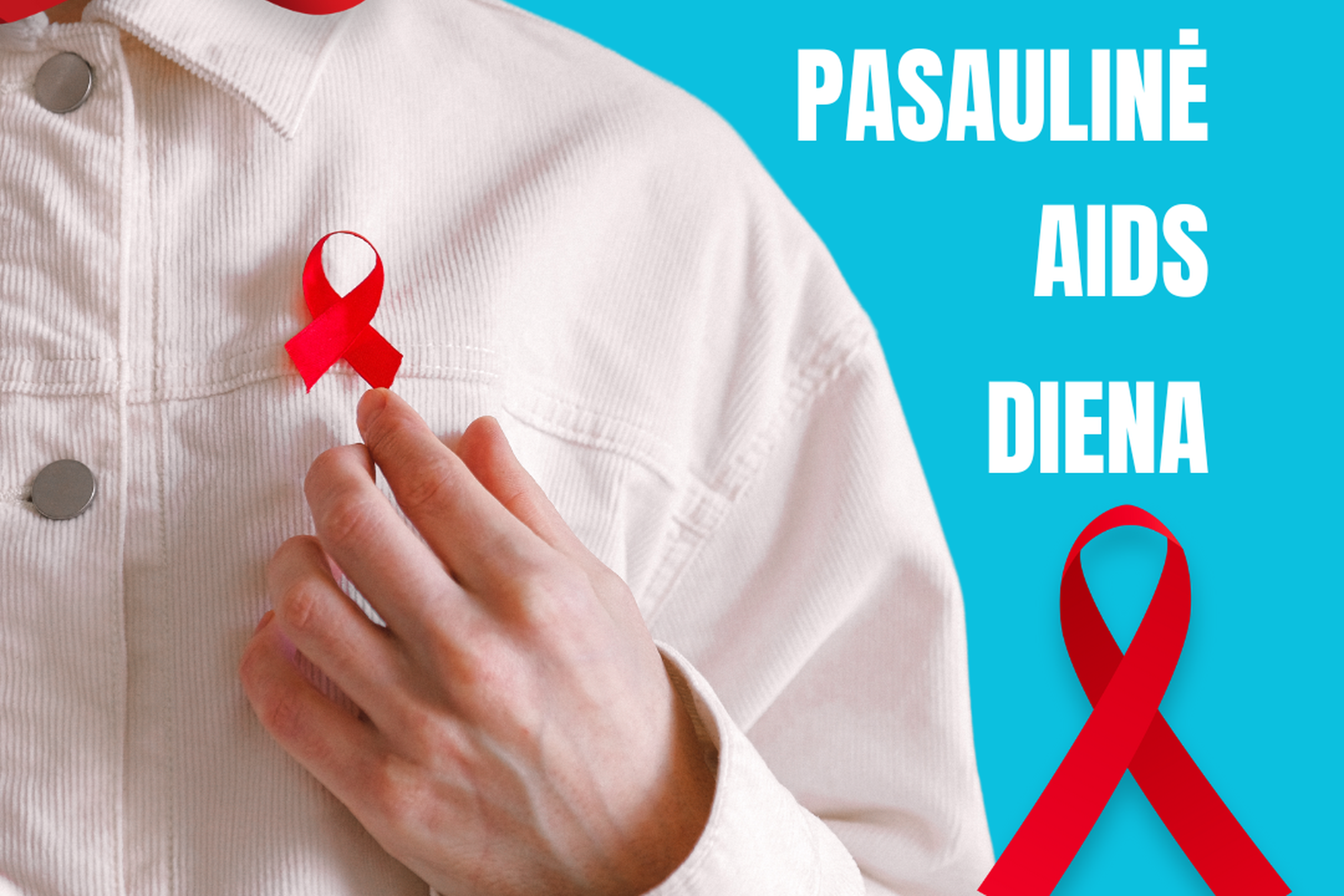
As we approach World AIDS Day, celebrated annually on 1 December, the National Centre for Public Health under the Ministry of Health takes opportunity to remind everyone of the challenges we face in the fight against HIV and AIDS, as well as the right to health. This year's theme, "Take the Rights Path: My Health, My Right!", invites all people, regardless of their gender, age, race, sexual orientation, social status, or other circumstances, to uphold the basic principle that everyone should have access to health.
Prevention and treatment are the key
By 2030, the world's goal is for 95% of all people living with HIV globally to know they are HIV-positive, 95% of those infected to be on treatment, and 95% of those on treatment to achieve a good outcome in terms of suppression of viral replication and reduction of the virus in the blood.
The World Health Organisation recommends that everyone at risk of contracting HIV should get tested. People who are at higher risk of HIV infection should seek comprehensive and effective HIV prevention, testing, and treatment services. HIV infection can be diagnosed using simple and inexpensive rapid diagnostic tests as well as self-tests. It is important that HIV testing services respect the following principles: consent, confidentiality, counselling, correct results, and linkage to treatment and other services.
For details on who is recommended to get tested for HIV and where to get tested, clickhere.
Detecting HIV infection as early as possible is critical. In the European Union and European Economic Area (EU/EEA) countries, half of people diagnosed with HIV infection are diagnosed late. The European Centre for Disease Prevention and Control stresses the importance of focusing on communicating with key populations and those who are most vulnerable to ensure that they receive early diagnosis, treatment, and care to enable them to live a fulfilling life.In line with these recommendations, the list of people recommended for HIV testing has been expanded this year. The aim of this change is to ensure earlier diagnosis and treatment of HIV infection and to reduce the proportion of people who do not know they are infected.
Although HIV infection is currently not curable, consistent, and appropriate use of medicines can significantly slow down the progression of the disease, prevent serious complications—such as AIDS—and ensure well-being and preservation of working capacity. In addition to improving the patient's quality of life, appropriate treatment also reduces the risk of infection to others, as it can significantly reduce the level of the virus in the blood, thus preventing further spread. In Lithuania, HIV treatment is compensated by the Compulsory Health Insurance Fund (CHIF), ensuring that people living with HIV can receive the necessary treatment without financial hardship.
How is HIV transmitted
HIV isntransmitted through:
- Sexual intercourse, including all types of sex—heterosexual or homosexual, oral or anal—if one partner is infected.
- The bloodstream, such as sharing contaminated syringes or needles (e.g., from drug use), blood transfusions, or invasive procedures with unsterile instruments.
- Mother-to-child transmission, where an HIV-infected mother may pass the virus to her child during pregnancy, childbirth, or breastfeeding.
As there is no vaccine against HIV, experts remind us that one way to avoid the virus is to stay safe.
It is particularly important to avoid casual sex and always use condoms. It is recommended that you avoid using other people's used (unsterile) syringes, needles, or instruments for manicure, pedicure, or tattooing.
Additional information
- The HIV prevalence rate in Lithuania in 2023 was 9.3 cases per 100,000 population. This high prevalence is partly due to the high number of foreign nationals registered as HIV-positive. Excluding foreign nationals, the HIV prevalence rate was 5.8 cases per 100,000 population in 2023.
- 267 new HIV infections were registered in Lithuania in 2023, of which 66.7% (178 cases) were men and 33.3% (89 cases) were women. The highest HIV incidence rate per 10,000 population in 2023 was registered in Vilnius County, while the lowest rates were recorded in Marijampolė and Telšiai Counties.
- In 2023, the most frequent mode of HIV infection was sexual transmission reaching 67.8% (52.1% heterosexual transmission 5.7% homosexual transmission. Injecting drug use accounted for 16.5% of cases, while the mode of transmission was unknown in 14.6% of cases. Three cases of perinatal HIV transmission were registered, two of which involved foreign nationals who had come to Lithuania.
- 37 AIDS cases were diagnosed in 2023.
Last updated: 02-12-2024
Related news:
The Second Peak of Tick Activity Begins in Autumn
NPHC: Don’t forget about tetanus protection when working outdoors
Preserving Season Is in Full Swing: NPHC Warns of the Hidden Risk of Botulism
The Start of the School Year Is the Right Time to Check Your Child’s Vaccinations
On World Mosquito Day, NPHC Reminds Travellers to Protect Themselves Against Mosquito Bites