

Winter is a Good Time to Get Vaccinated Against Tick-Borne Encephalitis
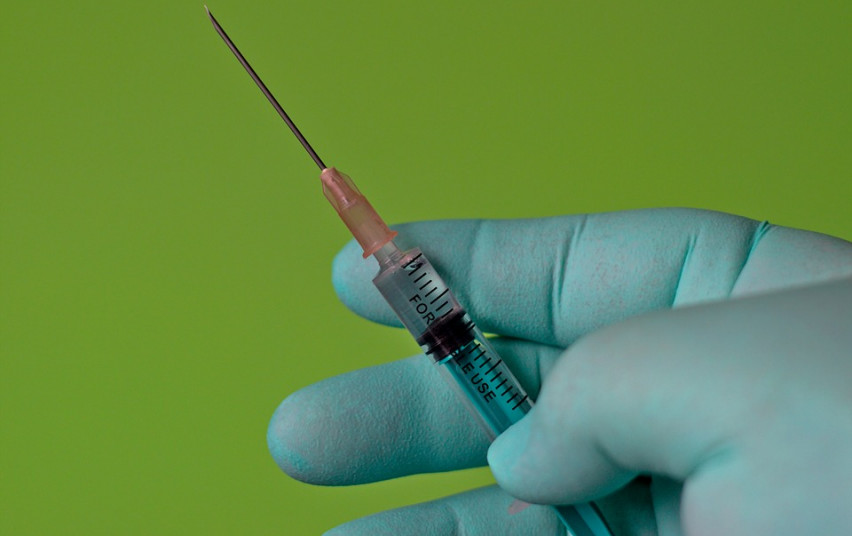
The National Public Health Centre under the Ministry of Health (NPHC) reiterates that vaccination is considered the most effective prevention measure for tick-borne disease and tick-borne encephalitis, and is best done in winter. According to epidemiologists, it takes time for reliable protection to develop.
With 3 doses of the vaccine the most reliable and durable protection is ensured: about 99% of those vaccinated acquire resistance to tick-borne encephalitis for the duration 3-5 years. In the cold period of the year, the usual vaccination schedule is applied, but once tick activity starts, vaccination according to the accelerated schedule is recommended. Both vaccination plans are equally effective.
According to the usual schedule, the first two doses are given 1-3 months apart. The intervals for the third and booster doses vary depending on the vaccine manufacturer, but usually the third dose is given 5-12 months after the second. The first booster dose is recommended after 3 years.
The accelerated schedule is a three-dose primary series with the first and second doses given at a 7 to 14 days interval and the third dose after 21 days or 5-12 months after the second dose, depending on the vaccine manufacturer. The first booster dose, depending on the vaccine manufacturer, should be given after 12-18 months or 3 years.
It is very important to remember that the immunity acquired after vaccination weakens over time, so it should be maintained by getting a booster dose. Depending on the age, a booster dose is recommended every 3-5 years. All vaccines against tick-borne encephalitis can be given to children aged 1 and older, and adults. To get vaccinated, contact your family doctor.
Currently, there is no human vaccine for Lyme disease. One easy, important way to prevent tick bites is by dressing properly, using repellents (chemicals that repel ticks) and regularly checking yourself for ticks after you return home.
Tick-borne diseases are endemic in Lithuania
Specialists note out that it is possible to get bitten by an infected tick anywhere in the country – both rural and urban areas. Ticks prefer moist and shady environments, so they are most abundant in deciduous forests, where the creatures they feed on live and roam. Ticks can be found on the edges of forest paths, in dense brushwood: raspberry, alder, nut trees, and young grassy forests.
Map of tick-borne encephalitis risk areas
To raise awareness of tick-borne diseases among Lithuanian population, NPHC specialists produced a map of areas at risk for tick-borne diseases in the country in 2021. The map shows the areas where the likelihood of getting bitten by a tick is high and how many cases of infection were reported in particular area in 2021.
To see the map visithttps://www.google.com/maps/d/u/0/edit?mid=1afXw9DQXqcwWog0wfwkwZkWCX1nuKe4&usp=sharing
Last updated: 17-05-2023
Related news:
The Second Peak of Tick Activity Begins in Autumn
NPHC: Don’t forget about tetanus protection when working outdoors
Preserving Season Is in Full Swing: NPHC Warns of the Hidden Risk of Botulism
The Start of the School Year Is the Right Time to Check Your Child’s Vaccinations
On World Mosquito Day, NPHC Reminds Travellers to Protect Themselves Against Mosquito Bites