

Vaccination Protects Against Rare but Extremely Serious Disease
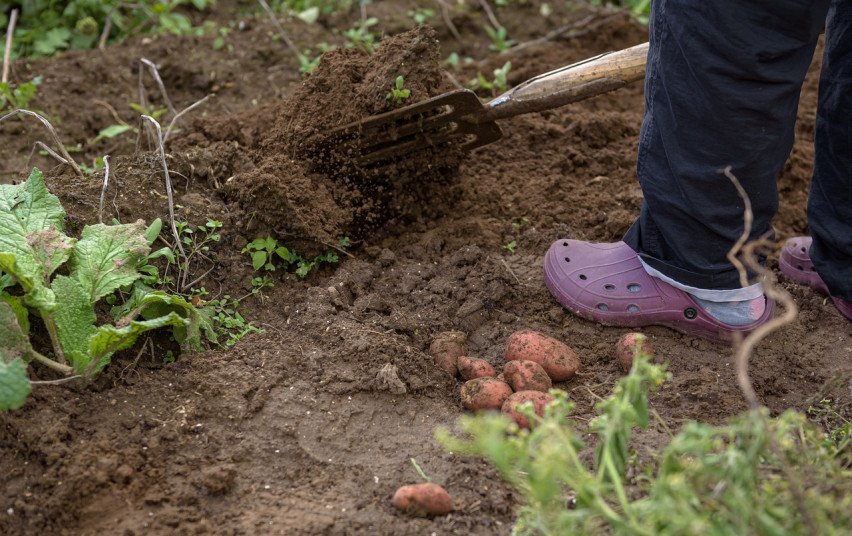
Do you remember when you had your last tetanus shot? No? Then consult your family doctor before harvesting your autumn crops and check your vaccination needs. Specialists point out that even a minor injury with a dirty, soil-contaminated, sharp tool, for example, when working in the garden, can become the cause of this serious infectious disease. It is through the body that the bacteria which cause this serious infection usually enter the human body. It is important to remember that lifelong protective immunity after infection does not develop which means that it is possible to get infected repeatedly. Specialists from the National Public Health Centre (NPHC) are drawing attention to the dangerous disease lurking in the soil – tetanus and most effective means of protection against this disease – vaccination.
Vaccination is recommended every 10 years
Adults need to be revaccinated every 10 years to maintain reliable long-term protection against this infection. In Lithuania, people aged 26 and older are vaccinated free of charge. "The vaccine used to vaccinate adults protects not only against tetanus, but also against diphtheria. After vaccination, immunity lasts for about 10 years, and adults are recommended to get tetanus boosters every ten years which are free of charge. For vaccinations, you need to contact your family doctor", points out Daiva Razmuvienė, chief specialist of the Communicable Disease Management Department at NPHC. The specialist emphasizes that the tetanus vaccine is efficient and safe for people of any age, pregnant women and people with weakened immune systems. In Lithuania, tetanus vaccinations are also included in the Preventive Vaccination Schedule for Children. In accordance with it, children aged 2 months, 4 months, 6 months, 18 months, 6-7 years and 15-16 years of age are offered the vaccine that protects not only against tetanus, but also against whooping cough and diphtheria.
Tetanus may lead to bone fractures
Tetanus is an acute infectious disease caused by a toxin secreted by the bacterium Clostridium tetani, which affects the system and causes muscle spasms. The incubation period of the disease varies from a few days to 3-4 days or even several months, but usually lasts 7-8 days. The first symptom is muscle twitches at the area of infection, which can last up to several weeks. Later, the disease manifests itself in muscle spasms of varying intensity. "These spasms are very long, their duration can be from a few seconds to a few minutes. Later, spasm attacks become more frequent, longer and more painful. They can be so strong that long bones and teeth break during an attack. In the case of a severe form of tetanus, the patient dies due to long-term spasm and respiratory failure," explains the representative of NPHC.
Last updated: 22-09-2023
Related news:
The Second Peak of Tick Activity Begins in Autumn
NPHC: Don’t forget about tetanus protection when working outdoors
Preserving Season Is in Full Swing: NPHC Warns of the Hidden Risk of Botulism
The Start of the School Year Is the Right Time to Check Your Child’s Vaccinations
On World Mosquito Day, NPHC Reminds Travellers to Protect Themselves Against Mosquito Bites