

The National Public Health Centre Does Not Recommend Ventilating Premises Until the Fire Is Fully Extinguished
The National Public Health Centre (NPHC) conducted air quality tests in two nurseries located closest to the fire site (1.3–1.7 km away). Laboratory results showed that soot from the fire enters indoor spaces from the surrounding air, and concentrations increase when rooms are ventilated. In unventilated rooms, no soot was detected, while ventilating the rooms caused concentrations to rise to 0.11–0.13 mg/m³ (the permissible limit is 0.15 mg/m³).
No other harmful chemicals, such as nitrogen oxides or carbon monoxide, were detected in the tested nursery premises.
After the fire, soot and other chemicals can be found on affected surfaces, including walls, furniture, floors, windows, and outdoor furniture. Until the fire is fully extinguished, NPHC does not recommend ventilating rooms within approximately a 5 km radius of the fire, either through windows or mechanical ventilation systems (including heat recovery/recuperation). However, cleaning of the premises is essential.
Recommendations for Cleaning Fire-Affected Premises
Remove contaminants physically first, then neutralize any residues with chemical treatments.
Decontamination procedures should be carried out systematically, including:
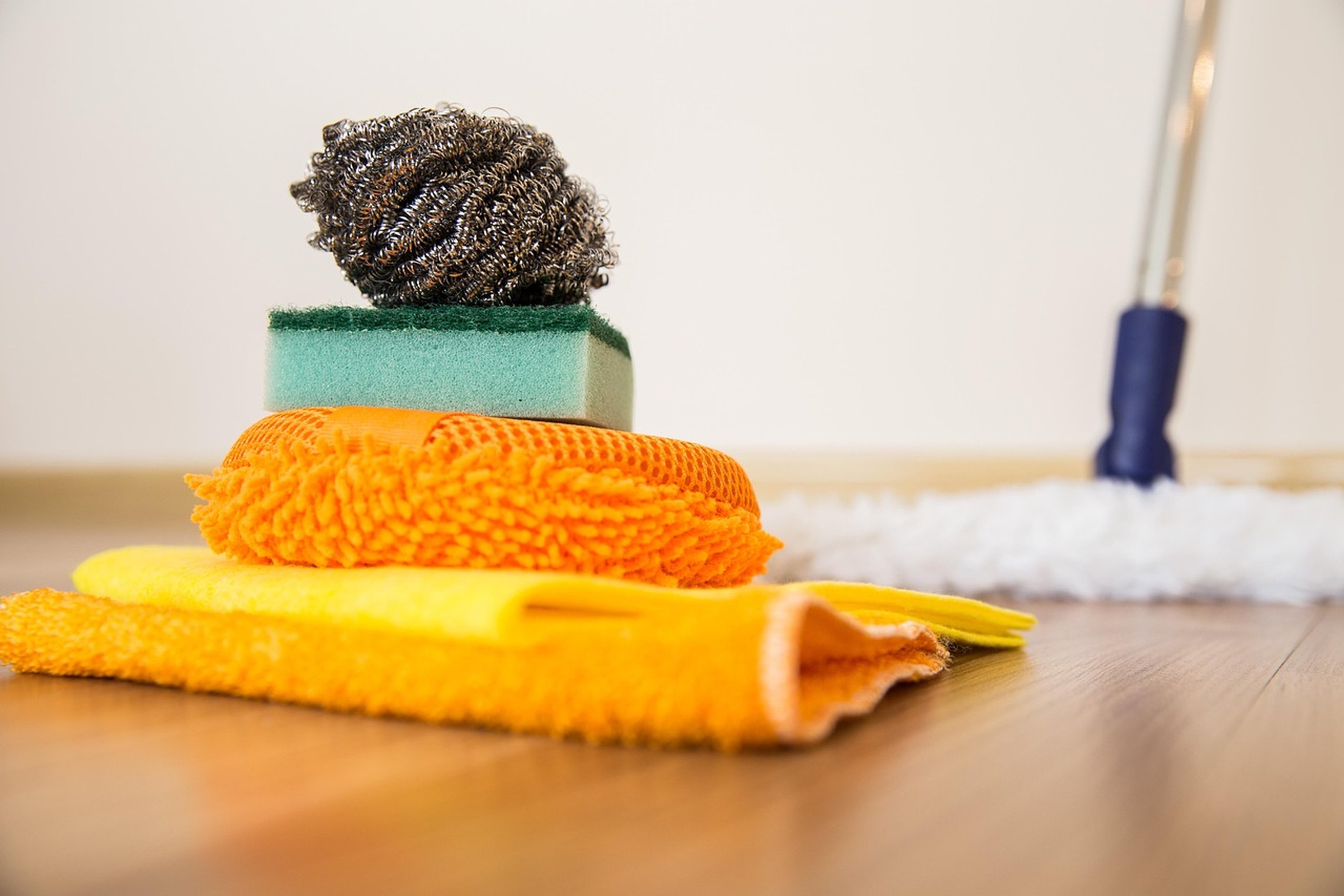
- Dry wiping with disposable cloths.
- Scraping and brushing if contaminants are sticky and cannot be removed by wiping.
- Rinsing with water or compressed water for contaminants trapped in crevices or small spaces.
- Cleaning with detergents or solvents.
- Rinsing chemically treated surfaces with water.
- Ventilating the premises once the fire is fully extinguished.
In visibly heavily contaminated areas, chemical solvents are recommended for decontamination. Special soot-removal chemicals are most effective. Solvents containing ethers, ketones, alcohol, or polyethylene glycol can also be used. All cleaning should be done while wearing disposable masks and gloves, and only disposable cloths should be used.
In areas where soot is not visibly present, physical cleaning of all surfaces is sufficient, and household cleaning products designed for surfaces (furniture, floors, windows, carpets) can be used to neutralize chemical residues.
Do not forget to:
- Wash curtains.
- Bathe pets.
- Wash clothes worn during contamination days or stored openly indoors.
Last updated: 12-09-2025
Related news:
The Second Peak of Tick Activity Begins in Autumn
NPHC: Don’t forget about tetanus protection when working outdoors
Preserving Season Is in Full Swing: NPHC Warns of the Hidden Risk of Botulism
The Start of the School Year Is the Right Time to Check Your Child’s Vaccinations
On World Mosquito Day, NPHC Reminds Travellers to Protect Themselves Against Mosquito Bites