

Safe Swimming: What Should You Know Before Jumping into the Water?
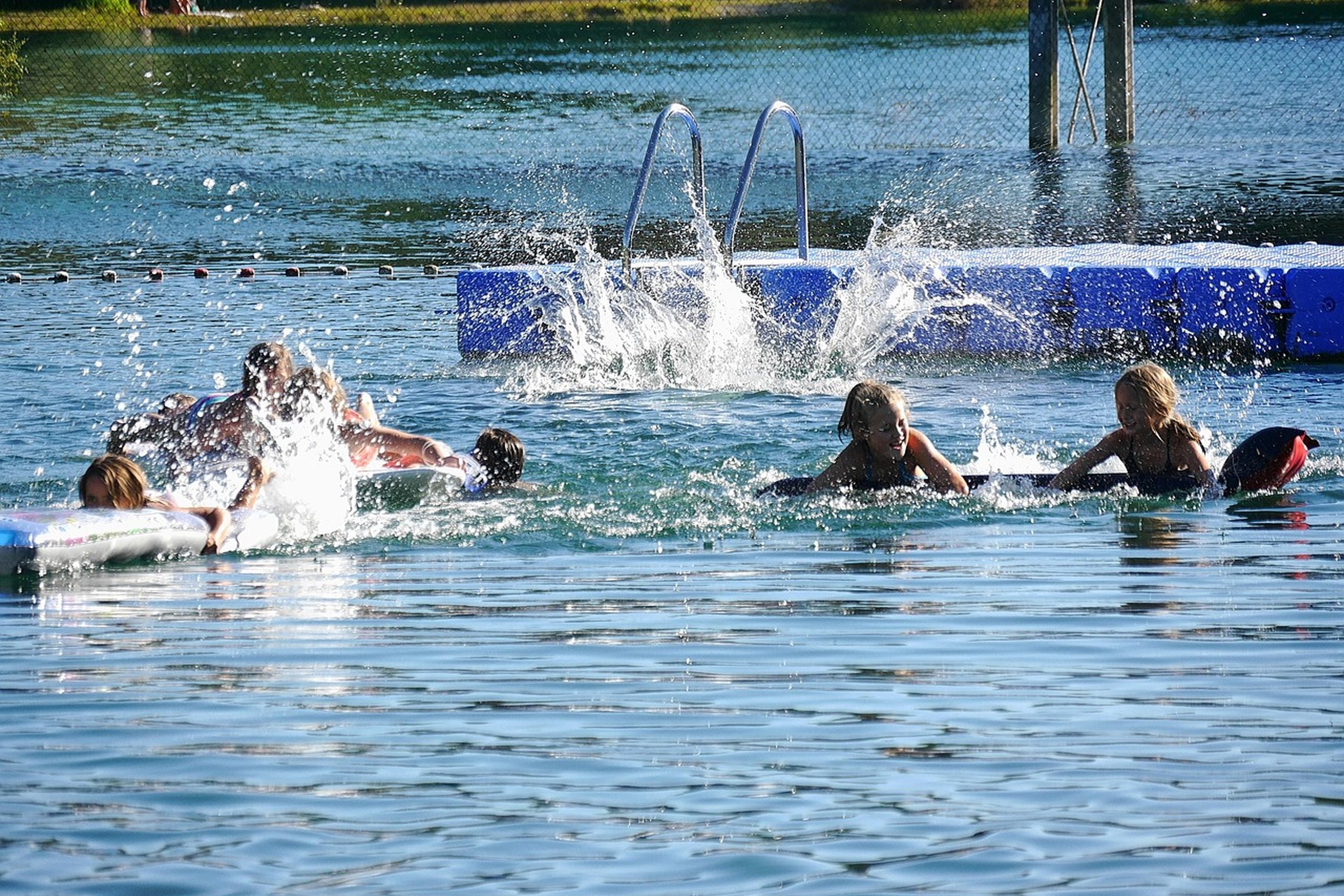
Summer is a time for holidays, relaxation, and, of course, swimming. But before diving into a lake, river, or pond, it is worth taking a moment to consider whether the water is truly clean and safe. Specialists from the National Public Health Centre (NPHC) remind the citizens that to avoid health risks, it is important to swim only in supervised areas and to refrain from swimming for at least a few days after heavy summer rains. Rain can wash various pollutants into bodies of water, making even normally clean water potentially hazardous to your health.
Infections lurking in the water
During the summer, various infectious agents can be present in natural bodies of water—lakes, rivers, ponds, and even the sea. The most common culprits are intestinal bacteria such as Escherichia coli, Salmonella, and Campylobacter, which may enter the water through sewage, agricultural runoff, or wild animals’ droppings. Parasites like Giardia intestinalis and Cryptosporidium parvum, as well as viruses such as noroviruses, rotaviruses, and hepatitis A, can also be found. These pathogens are more frequently found in freshwater. However, in seawater during warmer months, Vibrio bacteria may appear. These bacteria can affect not only the digestive system but also the skin—especially if there are open wounds or scratches.
Symptoms of infection after swimming may include nausea, vomiting, diarrhoea, fever, abdominal pain, headache, skin rashes, or itching. One of the most common skin conditions is cercarial dermatitis, also known as swimmer’s itch, caused by parasitic larvae penetrating the skin. If bacteria enter through wounds, they can lead to purulent skin infections.
“These symptoms can appear within a few hours, or only after several days—or even weeks—so they are often not linked to swimming,” explains Aušra Bartulienė, chief specialist in the Communicable Disease Management Department atNPHC. “Mild symptoms often go away on their own and are not reflected in official statistics. However, children should be especially cautious, as they tend to swallow more water while swimming and their immune systems are still developing. Older adults, pregnant women, people with chronic conditions, and those undergoing treatments that weaken the immune system are also at higher risk.”
How to Choose a Safe Place to Swim
The NVSC recommends choosing swimming and recreational areas that are supervised by Municipalities. These areas are subject to regular water and sand quality monitoring and are equipped with toilets, waste bins, changing facilities, and hand hygiene stations.
Last updated: 07-08-2025
Related news:
The Second Peak of Tick Activity Begins in Autumn
NPHC: Don’t forget about tetanus protection when working outdoors
Preserving Season Is in Full Swing: NPHC Warns of the Hidden Risk of Botulism
The Start of the School Year Is the Right Time to Check Your Child’s Vaccinations
On World Mosquito Day, NPHC Reminds Travellers to Protect Themselves Against Mosquito Bites