

Risk of Nipah Virus Spread Remains Very Low
According to information from international organizations, including the European Centre for Disease Prevention and Control (ECDC) and the World Health Organization (WHO), the current risk of Nipah (NiV) virus spreading between countries or being imported into the European Union is considered very low.
For individuals traveling to areas with active outbreaks, it is recommended to avoid contact with sick people or animals, particularly bats and their environments. Travelers should also avoid consuming raw or partially fermented date palm sap. Fruits should be washed thoroughly with clean water, and any damaged, partially eaten by animals, or potentially contaminated fruits (e.g., fallen to the ground) should not be consumed. Personal hygiene should be strictly observed, and local health authority recommendations should be followed.
To date, Nipah outbreaks have only been reported in Asia. The first outbreak occurred in 1998–1999 among pig farmers in the village of Sungai Nipah, Malaysia. Since then, sporadic outbreaks have been reported in Bangladesh, India, the Philippines, and Singapore. The virus is also detected periodically in India.
According to WHO data, outbreaks in India were reported in 2001 and 2007 in the state of West Bengal, and since 2018, outbreaks have been regularly reported in the state of Kerala. In West Bengal, previous outbreaks occurred in Siliguri (2001) and Nadia district (2007). These regions border Bangladesh, where Nipah outbreaks are reported almost annually and share similar ecological conditions, including the presence of fruit bat populations. Affected individuals are isolated, contact tracing is actively conducted, and local health facilities strengthen infection prevention and control measures. The likelihood of human-to-human transmission is minimal.
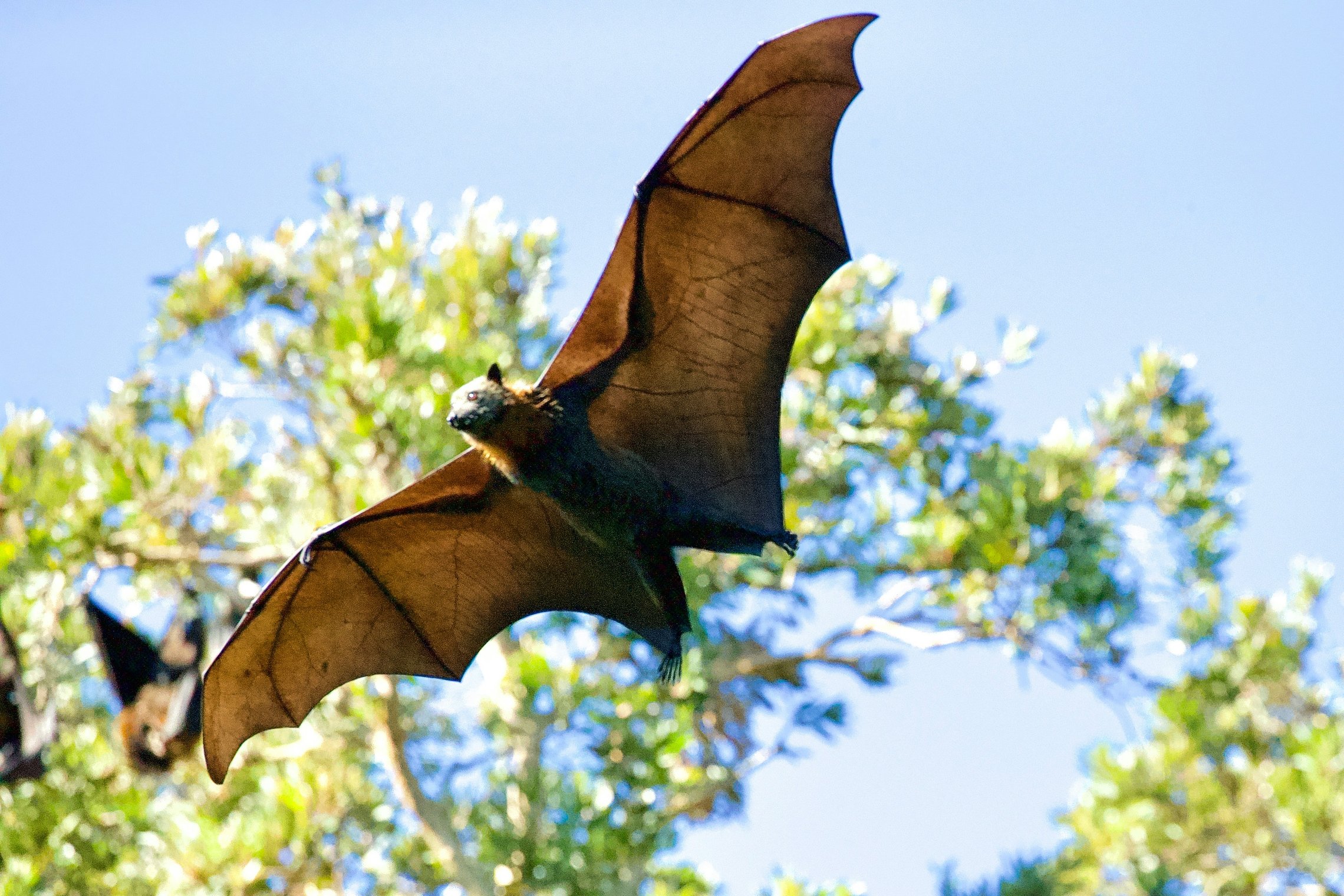
Nipah virus (NiV) is a zoonotic virus that can be transmitted to humans from wild and domestic animals, including bats, pigs, sheep, goats, dogs, cats, and horses. The natural reservoir of Nipah virus is fruit bats.
Last updated: 29-01-2026
Related news:
The Second Peak of Tick Activity Begins in Autumn
NPHC: Don’t forget about tetanus protection when working outdoors
Preserving Season Is in Full Swing: NPHC Warns of the Hidden Risk of Botulism
The Start of the School Year Is the Right Time to Check Your Child’s Vaccinations
On World Mosquito Day, NPHC Reminds Travellers to Protect Themselves Against Mosquito Bites