

NPHC Reminds: Winter Is the Best Time to Start Vaccination Against Tick-Borne Encephalitis
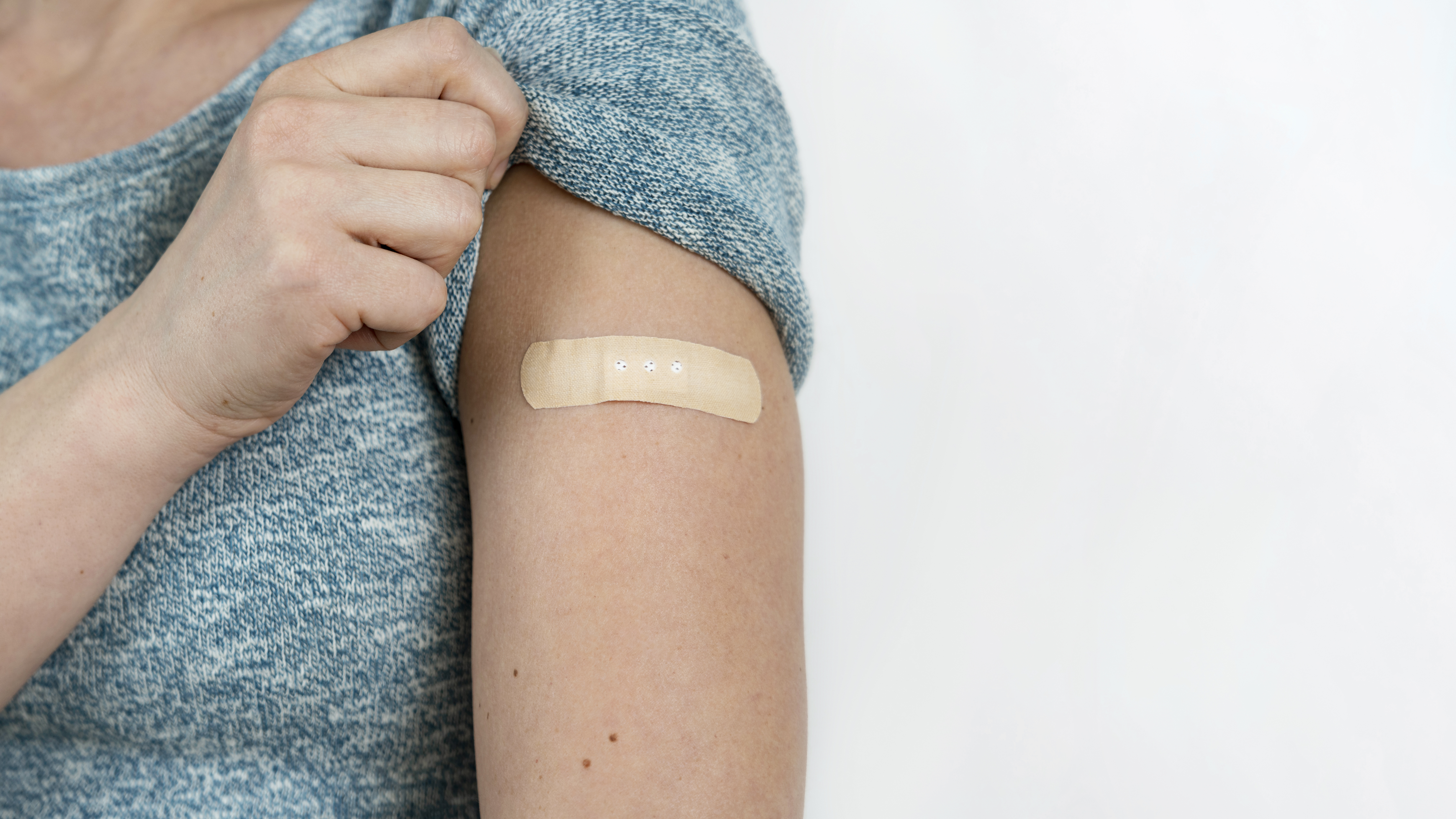
Specialists from the National Public Health Centre (NPHC) remind the public that Lithuania is endemic for tick-borne diseases—tick-borne encephalitis (TBE) can be contracted not only in natural settings but also in urban environments. It is one of the most dangerous tick-borne diseases, capable of causing severe and long-term health complications, and vaccination remains the most reliable form of protection. Although vaccination is available year-round, winter is the most favourable time to begin the course, as it allows the body to develop strong immunity before the spring tick activity season begins.
“Tick-borne encephalitis remains a serious public health issue in Lithuania—the risk of infection exists throughout the entire country. By starting vaccination in winter, people can ensure effective protection before the tick season and reduce the risk of severe disease outcomes,” emphasizes Milda Žygutienė, Chief Specialist at the NPHC Communicable Disease Management Division.
Adhering to the vaccination schedule is essential
Vaccination is the most effective way to prevent tick-borne encephalitis. Children older than one year and adults can be vaccinated against the disease.
For those being vaccinated for the first time, the first two doses are administered at an interval of 1–3 months, and the third dose after 5–12 months, depending on the vaccine manufacturer. Three doses provide up to 99% protection for 3–5 years. Immunity must then be maintained with booster doses every 3–5 years, depending on age.
“Even after completing the initial vaccination course, it is important not to forget booster doses, as immunity weakens over time. Residents can check their vaccination history through the e-health portal or by contacting their healthcare provider,” NPHC representative reminds.
Expanded state-funded vaccination program
Please note that as of December 9, 2025, vaccination against tick-borne encephalitis will be state-funded for individuals aged 50–60. Previously, this program applied only to those aged 50–55. The decision was based on epidemiological data showing that the highest incidence rates and the most severe disease outcomes occur in this age group.
All others who do not fall within this age range may receive the vaccine at their own expense—either at a healthcare facility or at any other authorized vaccination site, such as a pharmacy.
It is also important to note that most TBE cases registered in Lithuania occur among individuals who were unvaccinated or did not follow the recommended vaccination schedule intervals.
Last updated: 19-01-2026
Related news:
The Second Peak of Tick Activity Begins in Autumn
NPHC: Don’t forget about tetanus protection when working outdoors
Preserving Season Is in Full Swing: NPHC Warns of the Hidden Risk of Botulism
The Start of the School Year Is the Right Time to Check Your Child’s Vaccinations
On World Mosquito Day, NPHC Reminds Travellers to Protect Themselves Against Mosquito Bites