

NPHC Reminds: Vaccination is the Most Effective Protection Against Tetanus
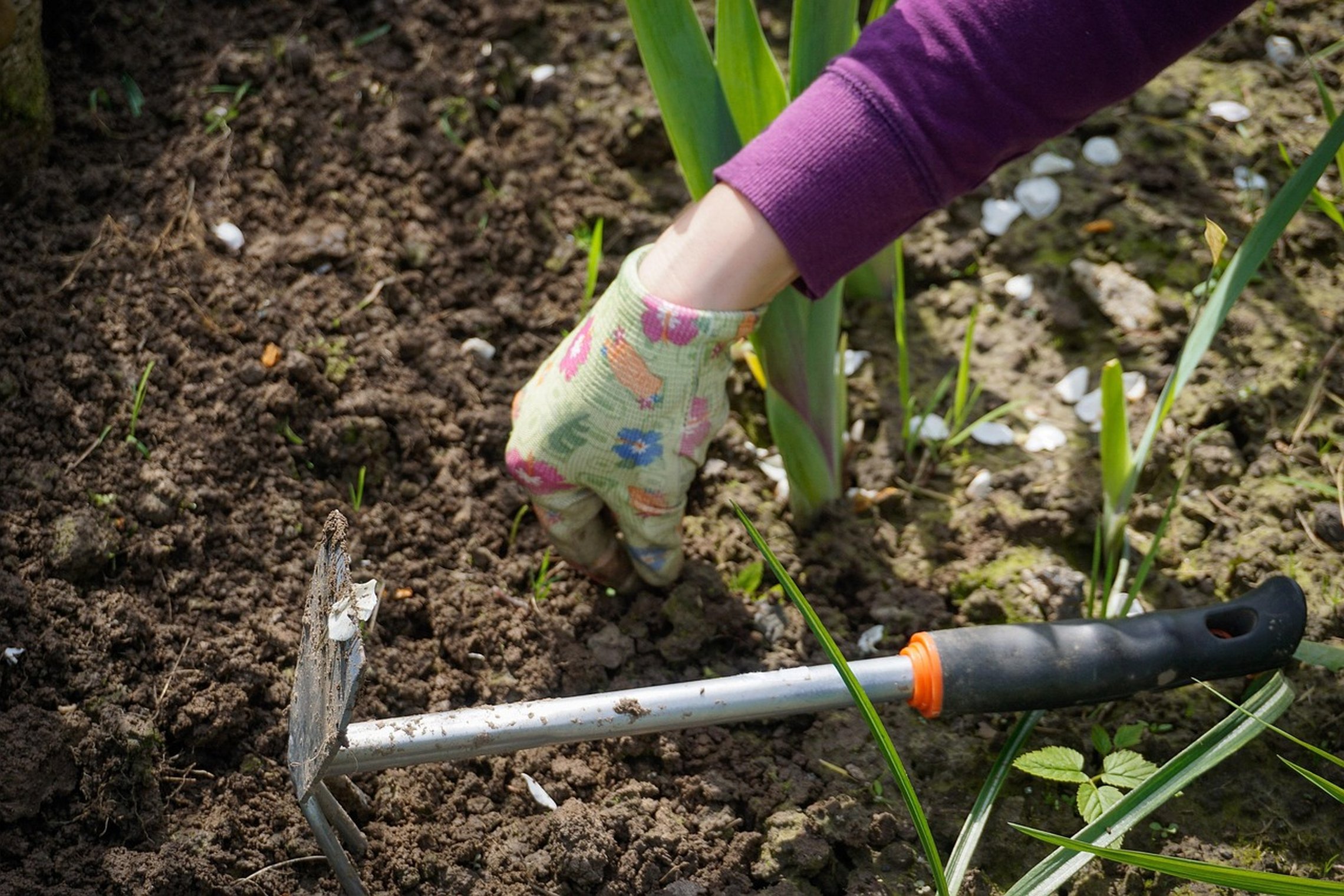
Autumn is approaching – the time when crops are harvested in gardens and seasonal work in the fields is completed. At this time of year, minor injuries such as cuts or punctures from dirty tools are more common. Specialists from the National Public Health Centre (NPHC) remind us that even a minor injury of this kind can lead to tetanus. the only reliable protection against this rare but dangerous disease is vaccination.
Who can get vaccinated?
According to the National Immunoprophylaxis Program for 2024-2028, all adults aged 25 and older are entitled to free tetanus and diphtheria vaccination every 10 years. The vaccines are state-funded, so patients do not pay for them. Vaccination is available to all adults, including pregnant women and people with weakened immune systems. To get vaccinated, contact your family doctor..
Why is it important to get revaccinated?
In Lithuania, an average of 1–2 cases of tetanus are registered each year, mostly among older people. In 2024, three cases were reported, one of which was fatal. Tetanus can occur at any time of year; last year, cases were recorded in June and November. This year between January and July, no cases of tetanus were reported.
Tetanus bacteria spores are highly resilient and can survive in the environment for many years. Even a small wound can allow infection to enter the body, causing severe and potentially life-threatening symptoms, including painful muscle spasms and rapid heartbeat. Importantly, immunity does not develop after contracting tetanus, meaning the disease can be contracted repeatedly. Vaccination is therefore the only reliable method of prevention.
"Tetanus vaccines are safe and effective. Booster shots every 10 years provide long-term protection. In Lithuania, adults aged 25 and older receive these vaccines free of charge. The adult vaccine protects not only against tetanus but also against diphtheria. This is the simplest and most reliable way to protect yourself," emphasizes Daiva Razmuvienė, Chief Specialist of Communicable Disease Management Department at NPHC.
People who have never been vaccinated, those who did not complete the full course, or those who have missed booster doses are at higher risk. The tetanus vaccine is safe for people of all ages, including pregnant women and those with weakened immune systems.
Children in Lithuania are vaccinated against tetanus, whooping cough, and diphtheria according to the preventive vaccination calendar at 2 months, 4 months, 6 months, 18 months, 6–7 years, and 15–16 years.
How tetanus manifests
Tetanus is caused by tetanus bacteria spores that enter the body through an open wound. These spores are resistant to heat, cold, and sunlight, and can survive in the environment for several years. They are present in the intestines of many mammals and humans and can contaminate soil through faeces. Once they enter through an open wound, the spores activate and turn into bacteria, causing the disease.
Early symptoms include brief muscle twitching at the infection site, which can last for several weeks. This is followed by more intense and painful muscle spasms, lasting from a few seconds to several minutes. Untreated tetanus can be life-threatening and may lead to serious complications such as heart failure, brain damage, pneumonia, breathing difficulties, and bone fractures.
Last updated: 29-08-2025
Related news:
The Second Peak of Tick Activity Begins in Autumn
NPHC: Don’t forget about tetanus protection when working outdoors
Preserving Season Is in Full Swing: NPHC Warns of the Hidden Risk of Botulism
The Start of the School Year Is the Right Time to Check Your Child’s Vaccinations
On World Mosquito Day, NPHC Reminds Travellers to Protect Themselves Against Mosquito Bites