

NPHC: Preventing Communicable Diseases in Educational Institutions
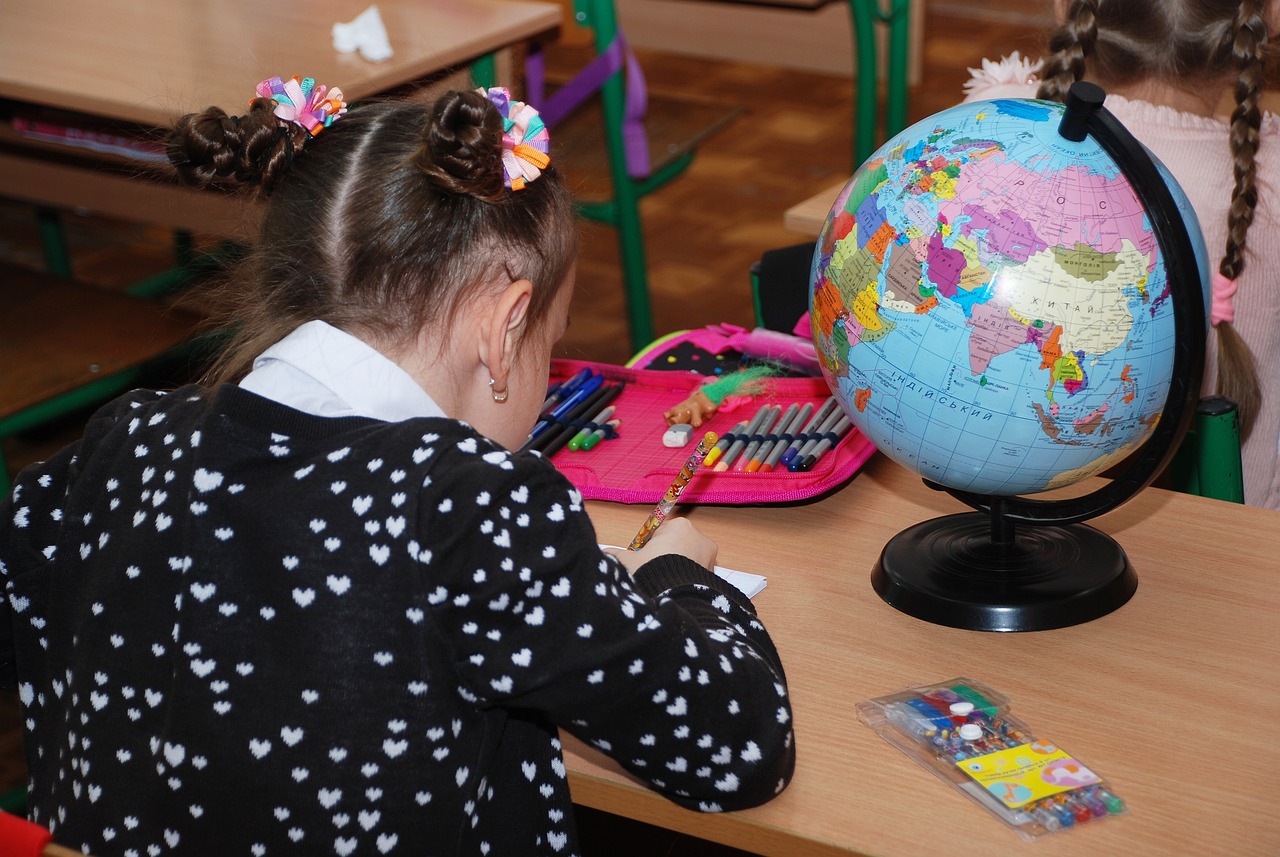
As children return to school in autumn, seasonal illnesses inevitably increase. With the new school year approaching, experts at the National Public Health Centre (NPHC) are emphasizing key preventive measures to help curb the spread of communicable diseases in educational institutions.
Ventilate the Premises
Proper ventilation in educational establishments is crucial in reducing the spread of communicable diseases, especially among children who spend most of their day indoors. Viruses and bacteria spread more easily indoors, so it is important to ventilate classrooms and other indoor spaces regularly, particularly during outbreaks of infectious diseases. Classrooms without mechanical ventilation should be ventilated after each lesson, while in pre-school and pre-primary settings, it is recommended to ventilate the premises at least twice a day.
Clean Frequently Touched Surfaces
Microorganisms that cause infectious diseases often accumulate on frequently touched surfaces, such as door handles, tables, chair backs, staircase handrails, and electrical switches. Regular cleaning and disinfection of these surfaces is essential. It is important to use cleaning and disinfecting products according to the manufacturers' instructions.
Please note that premises and facilities used for pre-school and pre-primary education must be cleaned daily using a humid method. In the event of a communicable disease outbreak, cleaning should follow established procedures.
Importance of Hand Hygiene
Teaching and reinforcing good hand hygiene practices is vital in preventing the transmission of microorganisms and reducing the risk of spreadby person-to-person contact in children’s groups. Hands should be washed with liquid soap under running water and thoroughly dried using a disposable or individually reusable towel. If soap and water are not available, hand disinfectants should be used.
Observe Coughing and Sneezing Etiquette
The cold season brings an increase in droplet-borne infectious diseases, such as influenza, COVID-19, whooping cough, chickenpox, and scarlet fever. It is essential to observe proper coughing and sneezing etiquette and avoid close contact with sick individuals. When coughing or sneezing, cover your mouth or nose with a disposable tissue, and immediately dispose of the tissue in a trash can. If no tissue is available, cough or sneeze into the crook of your elbow.
Have an Annual Health Check
It is important to remember that all children under 18 and older who are enrolled in mainstream schools must undergo a preventive health check once a year. Please note that children attending kindergartens may be refused entry if they show signs of communicable diseases or other acute health problems, such as fever, difficulty breathing, pain, diarrhea, vomiting, unexplained rashes, lice, or ringworm. If a child exhibits symptoms of a communicable disease while at school, they should be isolated from other children until their parents or guardians arrive.
Timely Vaccination
To control the spread of communicable diseases, children in Lithuania are vaccinated against 14 diseases according to the National Vaccination Schedule. To prevent the uncontrolled spread of infectious diseases as the weather cools, NPHC specialists recommend ensuring that children are up-to-date on their vaccinations before they return to educational establishments.
Last updated: 09-08-2024
Related news:
The Second Peak of Tick Activity Begins in Autumn
NPHC: Don’t forget about tetanus protection when working outdoors
Preserving Season Is in Full Swing: NPHC Warns of the Hidden Risk of Botulism
The Start of the School Year Is the Right Time to Check Your Child’s Vaccinations
On World Mosquito Day, NPHC Reminds Travellers to Protect Themselves Against Mosquito Bites