

More People with COVID-19 this Summer than Last Year
The National Public Health Centre (NPHC) informs that since July, there has been an increase in the number of weekly cases of COVID-19 disease (coronavirus infection) compared to the same period last year. However, NPHC reminds that COVID-19, influenza and other acute upper respiratory infections (ARIs) share the same transmission route, with a spike in incidence during the autumn and winter months.
The cases are recorded throughout the year
Given the epidemiological situation of COVID-19 (coronavirus infection), COVID-19 has been integrated into the epidemiological surveillance of influenza and other acute upper respiratory tract infections (ARTIs) in Lithuania since 2022, as in other European countries. The NPHC monitors the overall dynamics of influenza, COVID-19 and other ARIs throughout the year.
The number of cases of COVID-19 has been increasing since July, with only a slight decrease in the last week (12-18 August) (267 cases in week 28; 347 cases in week 29; 648 cases in week 30; 807 cases in week 31; 1407 cases in week 32; and 1377 in week 33).
"According to the European Centre for Disease and Prevention (ECDC) Week 32 data (https://erviss.org/), the increase in COVID-19 activity started about 6 weeks earlier than in summer 2023, but the trends are similar. Currently, the number of COVID-19 positive cases in healthcare settings is highest among people aged 65 years and older, indicating that vulnerable populations are still at risk of severe disease. Lithuania is also experiencing an increase in COVID-19 cases, which were registered 4 weeks earlier than in 2023, hence the situation in Lithuania is similar to that in Europe," notes Greta Gargasienė, Advisor of the Communicable Disease Management Unit at NPHC.
Which strain of COVID-19 prevails?
Currently circulating Omicron variant BA.2.86 of SARS-CoV-2 and its sub-variants (often referred to in the media as the FLiRT variants, which include lineages KP.2 and KP.3) continue to dominate. There is no evidence that they are more dangerous, associated with a higher severity of infection, or significantly reduce vaccine efficacy.
Maintain hygiene, especially when travelling
When in crowded places like airports or indoor concerts, it's essential to keep in mind the measures to prevent communicable diseases.
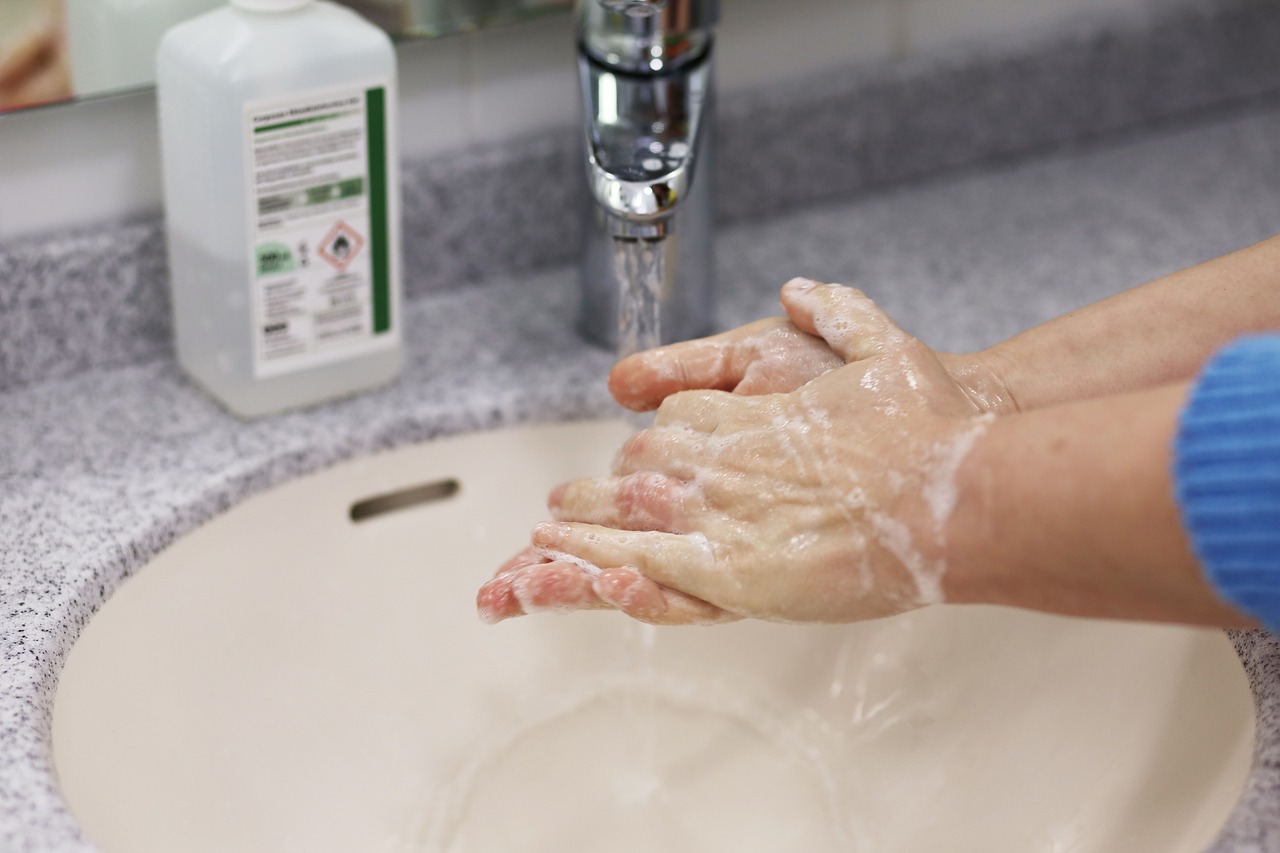
"It is crucial to wash your hands frequently and disinfect them if soap and water aren't available. Additionally, observe proper coughing and sneezing etiquette, avoid touching potentially contaminated surfaces, and refrain from touching your eyes, nose, or mouth with unclean hands. If you experience cold-like symptoms—such as a sore throat, headache, nasal congestion, or runny nose—stay home, work remotely, if possible, avoid travel and crowded places, and limit contact with others. If contact is unavoidable, wear a medical mask or respirator. Consult your family doctor and follow their recommendations," says the NPHC representative.
Last updated: 22-08-2024
Related news:
The Second Peak of Tick Activity Begins in Autumn
NPHC: Don’t forget about tetanus protection when working outdoors
Preserving Season Is in Full Swing: NPHC Warns of the Hidden Risk of Botulism
The Start of the School Year Is the Right Time to Check Your Child’s Vaccinations
On World Mosquito Day, NPHC Reminds Travellers to Protect Themselves Against Mosquito Bites