

Maintenance of an Adequate Temperature Helps Prevent Legionnaires` Disease
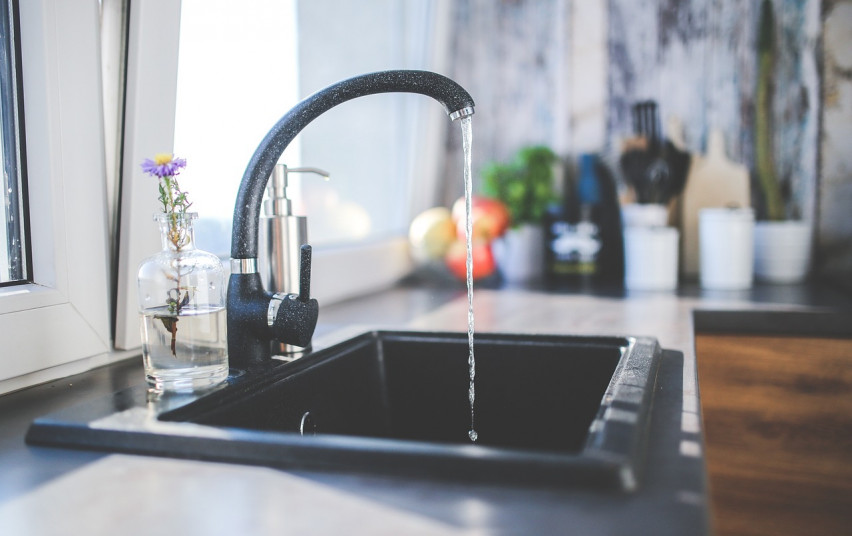
What should you do if the water from your tap doesn't seem as hot or cold as it used to be earlier? Specialists of the National Public Health Centre (NPHC) recommend to contact the administrator of the residential building (the supervisor (operator) of the heating and hot water systems of a building), whereas those who live in their own house should increase the temperature in the water heater themselves. Preventive measures to protect against Legionnaires` disease, an acute infectious respiratory disease caused by Legionella bacteria, include maintenance of an adequate temperature and a proper maintenance of water supply systems.
In order to prevent the formation of legionella, the dangerous bacteria, the essential thing is to maintain an adequate temperature in the water system: hot water must always be hot enough (at least 50 °C in taps), and cold water must always be cold enough (not higher than 20 °C). These rules should be followed by both multi-apartment residents and the owners of private houses, who heat the water themselves.
"It is also important that water is not allowed to stagnate. If it has not been used for a long time, for example, you go on holiday or on business trip for more than two weeks, then on arrival you should let the water run for 5 minutes before using it. It is important to maintain and clean the showers, clean and disinfect the shower heads and taps so that sediment does not accumulate", – says Orina Ivanauskienė, head of the Communicable Disease Management Department at NPHC.
Legionnaires` disease is an acute respiratory infection caused by a bacterium known as Legionella pneumophila. It affects about 5 percent of infected persons.
According to the data collected by NPHC, 59 cases of Legionnaires` disease have been reported in Lithuania this year (January-September).
"Legionnaires' disease is not transmitted from person to person. It is not contagious either when drinking water or eating and cooking food. Legionnaires' disease can affect people of all ages, but susceptibility to the disease depends on the state of the immune system," – explains the head of the NPHC.
Last updated: 18-10-2023
Related news:
The Second Peak of Tick Activity Begins in Autumn
NPHC: Don’t forget about tetanus protection when working outdoors
Preserving Season Is in Full Swing: NPHC Warns of the Hidden Risk of Botulism
The Start of the School Year Is the Right Time to Check Your Child’s Vaccinations
On World Mosquito Day, NPHC Reminds Travellers to Protect Themselves Against Mosquito Bites