

Legionellosis Situation in Kaunas. Updated 17/05/2023
On 17/05/2023, a revised report was received about one case of Legionellosis in Kaunas District. The case is associated with the epidemiological situation, since the person fell ill before 2 May.
A total of 24 cases of Legionellosis have been confirmed (18 in Kaunas District, 6 in Kaunas City), and 5 deaths (according to the data provided by the medical institution, 3 deaths were caused by another disease).
New cases of Legionellosis will no longer be associated with the epidemiological situation between 18/04/2023 and 02/05/2023.
Updated 16/05/2023
From 26 April to 9 May, water samples were taken from 16 multi-apartment buildings of the infected individuals. So far, we have received the water test results from 11 multi-apartment buildings (Legionella was detected in 2 of them, but the amount of Legionella did not exceed the norm). We have not received the test results concerning remaining 5 multi-apartment buildings.
Legionellosis situation in Kaunas County has not changed since 05/11/2023. A total of 23 cases of Legionellosis have been confirmed (17 in Kaunas District and 6 in Kaunas City), including 5 deaths (according to the data provided by the medical institution, 3 deaths were caused by another disease).
New cases of Legionellosis will no longer be associated with the epidemiological situation that occurred between 18/04/2023 and 02/05/2023.
Updated 11/05/2023
On 11 May, Kaunas Department of the National Public Health Centre (NPHC) received a report about one more case in Kaunas District. An epidemiological investigation has been launched. A total of 23 cases of Legionellosis have been registered, including 5 deaths (according to the data provided by the medical facilities, 2 deaths were caused by Legionellosis and 3 remaining by another disease).
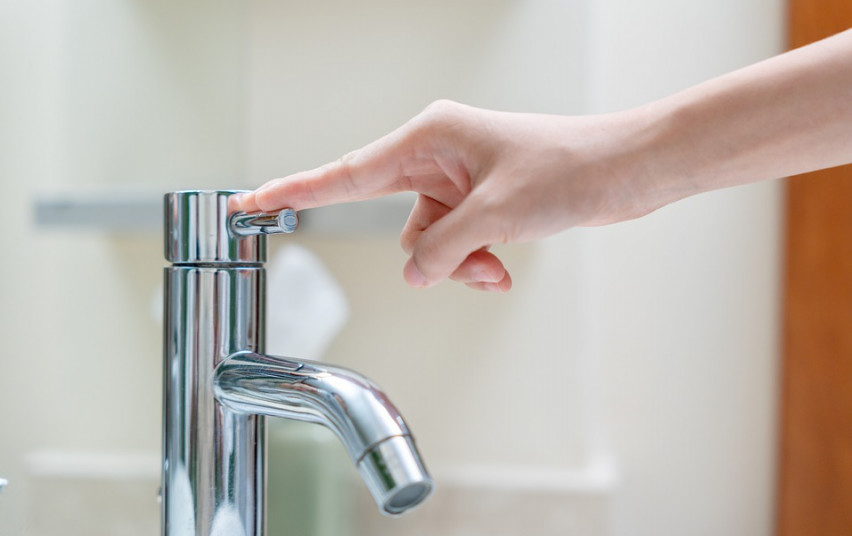
On 05/11/2023, a meeting was held with the representatives of the National Energy Regulatory Council that controls the compliance with energy quality requirements, during which the ways how to improve legal regulation and technical control measures to be employed by supervisors of heating points in multi-apartment buildings in order to ensure a better control of hot water systems were discussed. NPHC representatives emphasized the importance to raise awareness among residents about hot water system control - thermal disinfection, letting hot water running after it, maintenance of taps and shower heads, so that the residents would not try to save at the expense of their health.
(1).png)
Legionellosis Situation in Kaunas, 10 May
The National Public Health Centre has not yet received reports of new cases of Legionellosis. One death was reported today, 10 May. A total of 22 cases of Legionellosis have been reported, including 5 deaths (according to the data provided by the medical institution, 3 deaths were caused by another disease).
A remote meeting with the representatives from Kaunas City and Kaunas District Municipalities was held today, during which the epidemiological situation of Legionellosis and the actions of multi-apartment building communities/ administrators regarding the heating system control were discussed.
The representatives of Kaunas City Municipality suggested that every year, after the end of the heating season, inter-institutional meetings should be organized and all responsible parties (heating systems supervisors, apartment building administrators, and communities) reminded of the necessary actions for prevention of Legionellosis.
On 11 May, a meeting with the National Energy Regulatory Council, which controls compliance with energy quality requirements, is to be held to discuss the ways how to improve legal regulation and technical control measures to ensure a better control of hot water systems.
Last updated: 17-05-2023
Related news:
The Second Peak of Tick Activity Begins in Autumn
NPHC: Don’t forget about tetanus protection when working outdoors
Preserving Season Is in Full Swing: NPHC Warns of the Hidden Risk of Botulism
The Start of the School Year Is the Right Time to Check Your Child’s Vaccinations
On World Mosquito Day, NPHC Reminds Travellers to Protect Themselves Against Mosquito Bites