

Incidence Rates Are Climbing Every Week
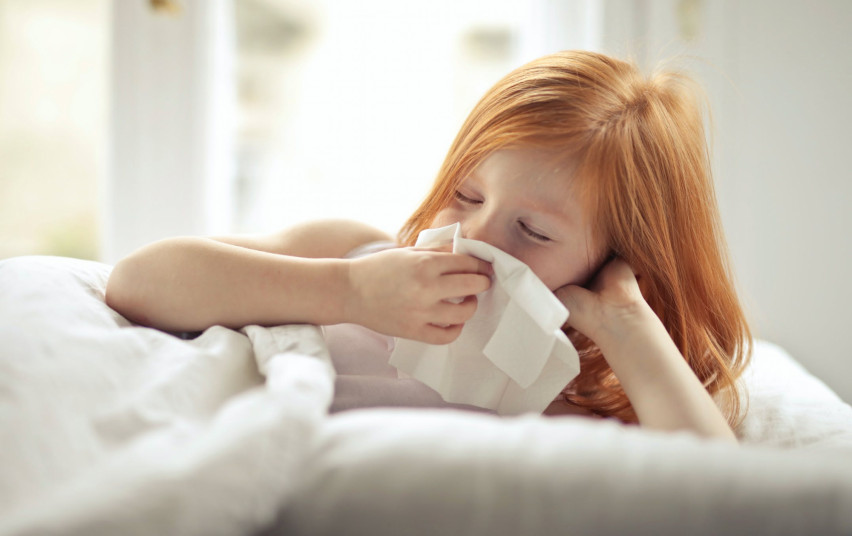
The National Public Health Center under the Ministry of Health (NVSC) informs that the overall rate of influenza, acute respiratory infections (ARI) and COVID-19 disease increased in the country over the last week. At the end of last week (28 November – 4 December), the total incidence rate of the listed diseases reached 1169.9 cases per 100,000 compared to 900.9 cases per 100,000 previous week (November 21-27).
The comparison of weeks 47 and 48 shows an increasing trend in incidence of all listed diseases: influenza, acute respiratory infection, and COVID-19 as well.
The lowest incidence rate of these diseases at the end of last week was reported in Utena County (670.5 cases per 100,000) whereas the highest in Kaunas County (1528 cases per 100,000). The epidemic level of morbidity was reached in 8 Municipalities: Kėdainiai District, Kaunas City, Šilutė District, Kazlų Rūda Municipality, Panevėžys City, Šiauliai City, Jurbarkas District, Visaginas Municipality. During the week of 21-27 November, the highest incidence rates of influenza, ARI and COVID-19 were reported in Kazlų Rūda and Jurbarkas Districts.
Data on incidence of influenza, ARI and COVID-19 disease in Counties
.jpg)
Last week, 38 individuals (26 of whom aged 0-17 years) were hospitalized due to flu, compared to 21 individuals (16 of whom aged 0-17 years) the previous week (21-27 November). 4 persons were admitted to intensive care units, 2 of whom were aged 2 to17 years.
More cases of respiratory syncytial virus (RSV) were detected
According to the data from the National Public Health Laboratory, in week 46 /2022 a total of 382 specimens were obtained from patients with symptoms of ARI, of which 26 specimens were positive for influenza A virus, 1 was positive for B virus, and 82 were positive for respiratory syncytial virus (RSV).
RSV is the most common cause of acute respiratory infection (ARI)
RSV causes respiratory disease in people of all ages. It usually causes mild, cold-like symptoms: runny nose, cough and a raised temperature, but it can cause infections of the lower respiratory tract - bronchiolitis (inflammation of the small bronchi) or pneumonia (inflammation of the lungs). The infection is especially dangerous for newborns and infants. Outbreaks of RSV infection usually begin in the fall and end in the spring. Currently, a high incidence of ARI is registered among children, some of them end up in hospitals. An increase in the number of RSV is currently being reported in other European countries as well.
Seasonal incidence of influenza and acute respiratory infections in Lithuania since 2019 .jpg)
According to the European Centre for Disease Prevention and Control (ECDC), for week 46/2022 in Europe out of 57,670 specimens obtained for detection of the influenza virus 3,551 were positive (type A influenza accounted for 94 %, type B – for 6 %).
European weekly data on influenza virus detections by type, season 2022/2023

For more information visit https://flunewseurope.org/VirusCharacteristics
The most effective protection against influenza is vaccination. Do not delay to contact your family doctor. Other recommendations:
- Follow the rules of hand hygiene: wash your hands as often as possible, especially when taking care of patients, before eating or after touching a potentially infected object.
- When coughing and sneezing, cover your mouth and nose with a disposable tissue or sleeve (preferably in the bend of the elbow). If you cover your mouth and nose with your palm, wash your hands immediately.
- Ensure frequent ventilation and wet cleaning of premises (both residential and public).
- You should not self-medicate and send children to educational institutions, but instead contact your family doctor.
- If you have flu, wear a medical mask for preventing the spread of disease when you cough or sneeze. Healthy people should also wear medical masks when taking care of a sick person.
- It is recommended to wear face masks or respirators in public indoor places that are poorly ventilated, crowded, and it is impossible to maintain a safe distance from other people: places where various services are provided, events, churches, public transport etc. Face protection ie required in personal health care facilities.
Last updated: 03-01-2023
Related news:
The Second Peak of Tick Activity Begins in Autumn
NPHC: Don’t forget about tetanus protection when working outdoors
Preserving Season Is in Full Swing: NPHC Warns of the Hidden Risk of Botulism
The Start of the School Year Is the Right Time to Check Your Child’s Vaccinations
On World Mosquito Day, NPHC Reminds Travellers to Protect Themselves Against Mosquito Bites