

In the First Week of Flu Season, Number of Sick People Decreased
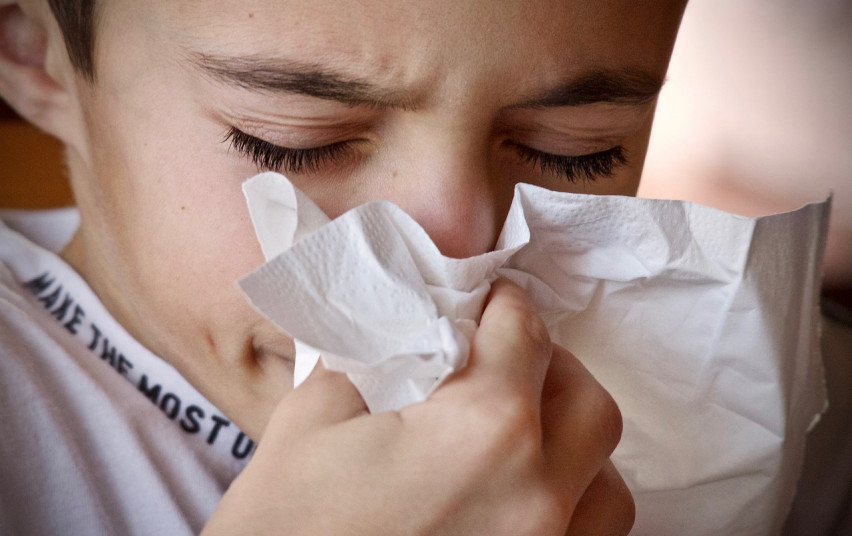
The National Public Health Centre under the Ministry of Health (NPHC) points out that last week was the first week of the flu season 2023-2024, which will continue until week 20 (May) of the next year. NPHC is constantly monitoring the general situation of the incidence of influenza, COVID-19, and other acute respiratory infections (ARI). During the entire flu season, the cumulative incidence rate of flu, ARI, COVID-19, and the number of such cases per 100,000 population will be constantly calculated.
According to the data, possessed by NPHC, during 2-8 October the total incidence rate of influenza, acute respiratory infections and COVID-19 was 988.5 cases / 100,000 population. The lowest incidence rate in week 40 of this year was reported in Panevėžys County, the highest in Vilnius County. The overall morbidity rate in week 40 decreased compared to the previous week.
In the first week of flu season 2023-2024 no individuals were admitted because of flu to hospitals.
Data on incidence of influenza, ARI and COVID-19 in Counties
.png)
According to the data from the National Public Health Care Laboratory (NPHCL), a total of 51 specimens were taken in week 39 from patients with symptoms of ARI, of which 1 tested positive for type A(H3) virus.
Vaccinations are the most effective means
The most effective way to protect against the flu and COVID-19 is vaccination. It is recommended to get vaccinated against both diseases during one visit to the doctor (2 vaccines –2 injections). In order to avoid severe complications of a disease, vaccination with both influenza and COVID-19 vaccines is recommended for persons belonging to risk groups: 65 years of age and older, people living in social care and nursing facilities, people with chronic diseases, people with weakened immunity, as well as doctors and pregnant women. You need to contact a medical facility for vaccinations.
Preventive measures for COVID-19 are the same as for the flu and ARI:
- Regularly and thoroughly wash your hands (at least 20-30 seconds), if there is no possibility to wash them - disinfect them.
- Do not touch your eyes, nose or mouth with unwashed hands.
- Often ventilate and wet clean the premises.
- Cover your nose and mouth with a disposable tissue when sneezing and coughing. Throw the used tissues into the trash. If you don't have a tissue, cough or sneeze into your elbow, not your hands. If you cover your mouth and nose with your palm, wash your hands immediately.
- If you experience cold-like symptoms, stay at home and avoid public gatherings.
- Do not take sick children to educational institutions, consult your family doctor and follow his recommendations.
- When infected, wear a medical mask, which will help to hold respiratory tract secretions when coughing or sneezing. Also wear medical masks or respirators when taking care of a sick person.
- During the peak of morbidity, wear medical face masks or respirators in public closed places: places of service provision, churches, public transport and other closed places that are poorly ventilated, as well as in places with large numbers of people during various events, for example, where a safe distance is impossible to maintain. In medical institutions, wear face protection in accordance with the procedure established by them.
Last updated: 31-10-2023
Related news:
The Second Peak of Tick Activity Begins in Autumn
NPHC: Don’t forget about tetanus protection when working outdoors
Preserving Season Is in Full Swing: NPHC Warns of the Hidden Risk of Botulism
The Start of the School Year Is the Right Time to Check Your Child’s Vaccinations
On World Mosquito Day, NPHC Reminds Travellers to Protect Themselves Against Mosquito Bites