

Important Reminder for Parents: Make Sure Your Children Are Vaccinated Before the School Year Starts
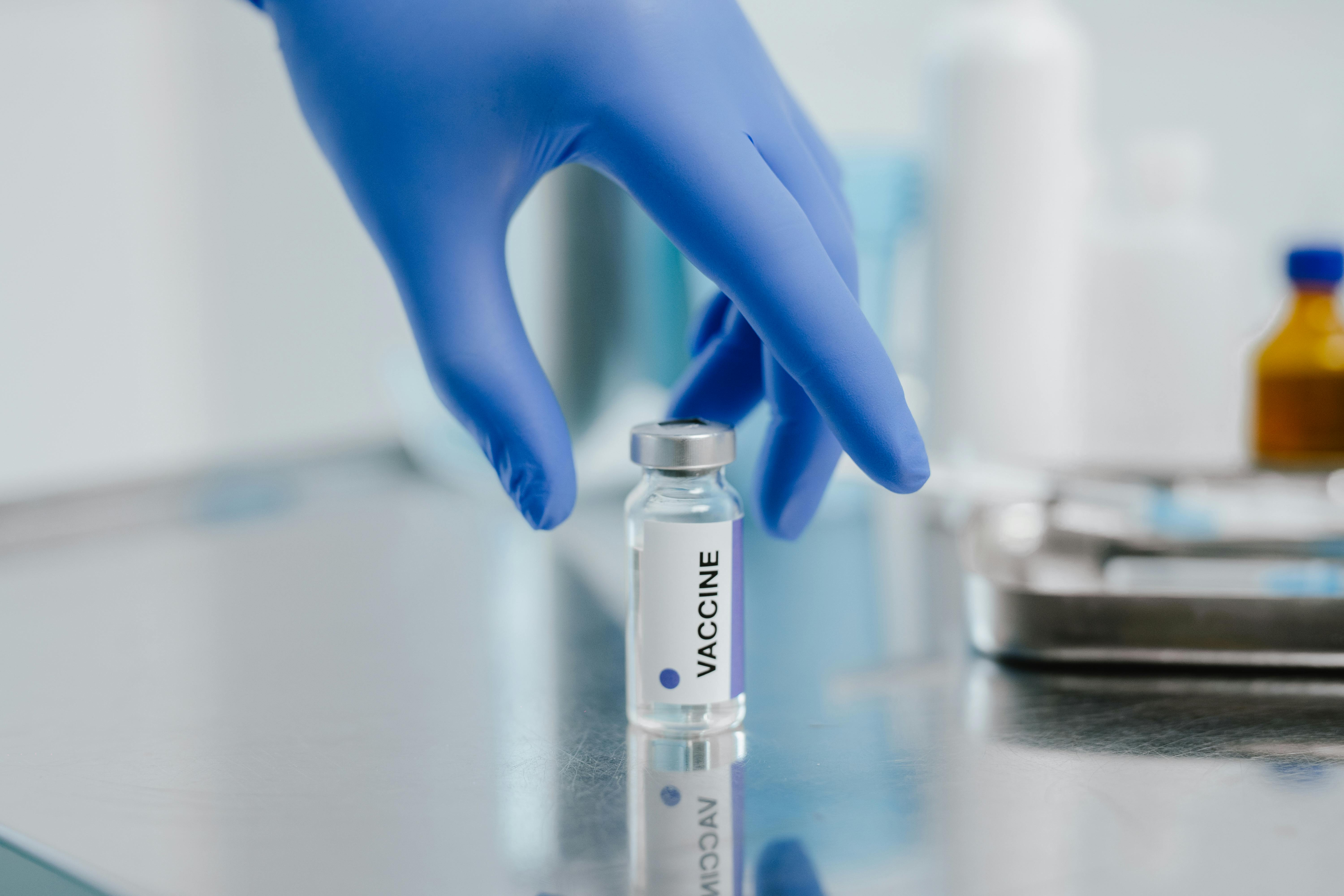
As the new school year approaches, specialists from the National Public Health Centre under the Ministry of Health (NPHC) urge parents to take care of their children’s health and ensure that they are vaccinated according to the National Children`s Immunization Schedule. This helps protect them from dangerous communicable diseases that spread easily in group settings, especially in autumn, when illnesses such as influenza, COVID-19, and other infections become more common.
Which Vaccines Are Required for Future First-Graders?
According to the Children`s immunization schedule, children aged 6–7 are eligible for free booster vaccinations against:
- Pertussis, diphtheria, tetanus, and poliomyelitis (DTaP-IPV)
- Measles, mumps, and rubella (MMR)
“If some vaccines were missed due to illness or other reasons, it is not a problem. The most important thing is to contact your child’s doctor as soon as possible, who will create an individual vaccination plan to safely and timely restore protection against communicable diseases,” emphasizes Orina Ivanauskienė, Head of the Communicable Disease Management Department at NPHC.
Do not Forget Tuberculosis Screening
Before starting school, all children aged 6–7 undergo a tuberculin test (Mantoux test), which helps detect infection with tuberculosis bacteria. The test is performed by injecting a small amount of weakened tuberculosis protein under the skin on the inner forearm. The doctor evaluates the test site after 48–72 hours.
Tuberculin testing is also recommended for children in risk groups, such as: unvaccinated against tuberculosis, frequently ill with upper respiratory infections, in contact with tuberculosis patients, with chronic illnesses, or from social risk groups. For children in these groups, tuberculin tests should be performed annually, regardless of age.
“A positive tuberculin test does not mean that the child has tuberculosis. It may indicate that the child was exposed to tuberculosis bacteria, but the bacteria remain inactive in the body, do not multiply, do not cause disease, and typical symptoms do not appear. The child is not contagious and does not pose a risk to others. Family doctors provide detailed guidance on the child’s health status and monitoring,” notes the NPHC representative.
Other Important Vaccines – For Adolescents
11-year-olds receive the human papillomavirus (HPV) vaccine. Since 2023, this vaccine is gender-neutral, meaning both boys and girls should be vaccinated.
“Because HPV vaccination is relatively new, some parents may not be fully aware of this option. Some may ask why boys should be vaccinated, since HPV is known for causing cervical cancer. It is important to know that HPV is dangerous for males as well, causing genital warts, anal and penile pre-cancerous conditions, and cancer. For both sexes, the virus can cause pre-cancerous conditions and cancer of the oral cavity, throat, larynx, tongue base, salivary glands, and tonsils. Vaccinating boys against HPV is essential primarily for their own health,” explains the NPHC head.
15–16-year-olds receive additional vaccinations against diphtheria, tetanus, and pertussis.
Where to Go?
Parents or guardians should contact their family doctor for information on children’s vaccines and tuberculin tests.
Last updated: 14-08-2025
Related news:
The Second Peak of Tick Activity Begins in Autumn
NPHC: Don’t forget about tetanus protection when working outdoors
Preserving Season Is in Full Swing: NPHC Warns of the Hidden Risk of Botulism
The Start of the School Year Is the Right Time to Check Your Child’s Vaccinations
On World Mosquito Day, NPHC Reminds Travellers to Protect Themselves Against Mosquito Bites