

Importance of Preventive Measures in Reducing Respiratory Infections
According to the data possessed by the National Public Health Centre under the Ministry of Health (NPHC), during 8–14 December (week 50 of the year), the overall incidence rate of influenza, acute upper respiratory infections (AURI), and COVID-19 (coronavirus infection) in Lithuania reached 1,246.1 cases per 100,000 population. The previous week (week 49) the rate was lower, at 918.9 cases per 100,000 population.
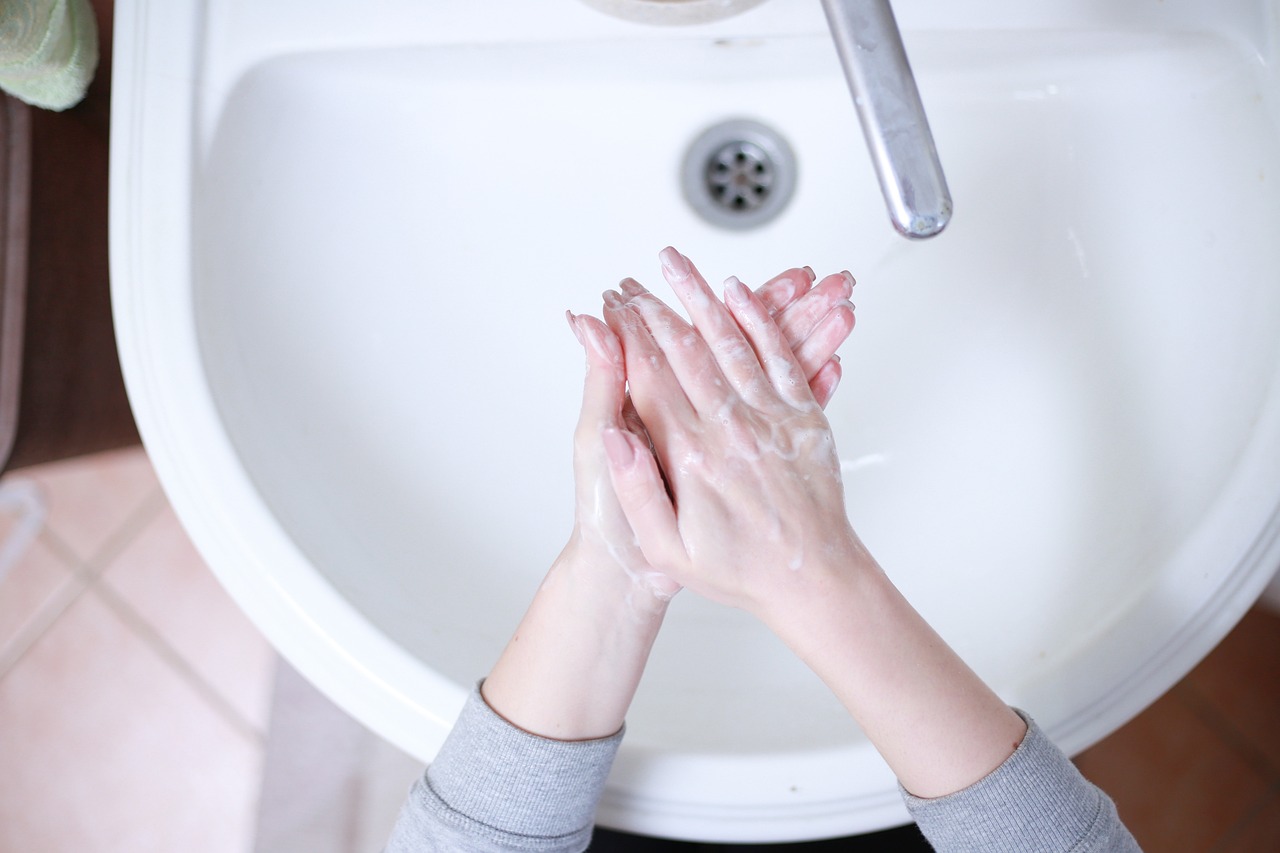
Given the current situation, it is especially important to remember and follow preventive measures: proper hand hygiene, cough and sneeze etiquette, and vaccination against influenza and COVID-19. It is particularly important for individuals experiencing symptoms to avoid public gatherings, refrain from going to work or educational institutions, to prevent the spread of viruses and protect others.
The lowest incidence rate was recorded in Panevėžys County, while the highest was in Vilnius County. Seven Municipalities reached epidemic levels of illness. Compared with the previous week, the number of influenza cases nearly doubled, the number of COVID-19 and AURI cases also increased.
During week 50, 173 people were hospitalized due to influenza and 48 due to COVID-19 in Lithuania. Six patients required treatment in intensive care units. Two deaths from COVID-19 were registered. No deaths from influenza were reported.
Influenza incidence continues to rise weekly, particularly among children. The number of hospitalized patients is also increasing; during week 50, children accounted for 67% of those treated in hospitals.
Active Vaccination Continues
We remind that individuals belonging to risk groups—namely children aged 2–7 years, persons aged 65 years and older, residents of social care and nursing institutions, healthcare workers (including students undergoing clinical practice), people with chronic illnesses, and pregnant women—are vaccinated free of charge (funded by the state).
This season, 87% of the vaccine supply allocated for risk groups has already been used. If you belong to a risk group and have not yet been vaccinated, please contact your healthcare provider regarding vaccination.
Data on the incidence of influenza, AURI and COVID-19 in Counties
dministracinės teritorijos (apskritys) | 49 (2025 m. gruodžio 1–7 d.) | 50 (2025 m. gruodžio 8–14 d.) | ||||||||
Gripo atvejų skaičius | ŪVKTI atvejų skaičius | COVID-19 ligos atvejų skaičius | Suminis (gripo, ŪVKTI ir COVID-19 ligos) atvejų skaičius | Suminis rodiklis (gripo, ŪVKTI ir COVID-19 ligos atvejų skaičius 100 tūkst. gyventojų) | Gripo atvejų skaičius | ŪVKTI atvejų skaičius | COVID-19 ligos atvejų skaičius | Suminis (gripo, ŪVKTI ir COVID-19 ligos) atvejų skaičius | Suminis rodiklis (gripo, ŪVKTI ir COVID-19 ligos atvejų skaičius 100 tūkst. gyventojų) | |
Alytaus | 188 | 1079 | 30 | 1297 | 975,8 | 740 | 1173 | 21 | 1934 | 1455,0 |
Kauno | 668 | 3696 | 109 | 4473 | 761,3 | 1834 | 4307 | 130 | 6271 | 1067,4 |
Klaipėdos | 235 | 1699 | 41 | 1975 | 574,4 | 571 | 1861 | 52 | 2484 | 722,4 |
Marijampolės | 169 | 771 | 36 | 976 | 731,9 | 516 | 829 | 29 | 1374 | 1030,3 |
Panevėžio | 254 | 782 | 30 | 1066 | 514,9 | 336 | 808 | 38 | 1182 | 571,0 |
Šiaulių | 140 | 1390 | 39 | 1569 | 588,2 | 281 | 1562 | 55 | 1898 | 711,6 |
Tauragės | 109 | 322 | 26 | 457 | 508,1 | 249 | 403 | 22 | 674 | 749,3 |
Telšių | 55 | 643 | 21 | 719 | 553,6 | 134 | 836 | 21 | 991 | 763,0 |
Utenos | 59 | 656 | 19 | 734 | 598,2 | 203 | 779 | 24 | 1006 | 819,9 |
Vilniaus | 3983 | 9131 | 182 | 13296 | 1516,5 | 7504 | 10501 | 202 | 18207 | 2076,7 |
Iš viso Lietuvoje | 5860 | 20169 | 533 | 26562 | 918,9 | 12368 | 23059 | 594 | 36021 | 1246,1 |
Situation in Europe
According to the data from the European Centre for Disease Prevention and Control (ECDC) for week 49, half of the European Union (EU) / European Economic Area (EEA) countries report an increasing number of people seeking medical care for acute upper respiratory tract infections, indicating active circulation of respiratory viruses.
SARS-CoV-2 continues to spread; however, incidence rates are declining across all age groups.
Influenza activity is increasing, particularly among children aged 5–14 years. All countries report the predominance of influenza A, with A(H3N2) being the main driver of recent increases. In some countries, hospital admissions are rising across all age groups, most notably among individuals aged 65 years and older.
The spread of respiratory syncytial virus (RSV) is also increasing but remains lower than during the same period in previous seasons. RSV most commonly affects children under 5 years of age.
The ECDC emphasizes that, as influenza activity is increasing and began 3–4 weeks earlier than in the past two seasons, it is essential to get vaccinated, adhere to preventive measures, and strengthen infection prevention practices in healthcare settings.
Last updated: 16-12-2025
Related news:
The Second Peak of Tick Activity Begins in Autumn
NPHC: Don’t forget about tetanus protection when working outdoors
Preserving Season Is in Full Swing: NPHC Warns of the Hidden Risk of Botulism
The Start of the School Year Is the Right Time to Check Your Child’s Vaccinations
On World Mosquito Day, NPHC Reminds Travellers to Protect Themselves Against Mosquito Bites