

How to Prevent Malaria While Travelling Abroad
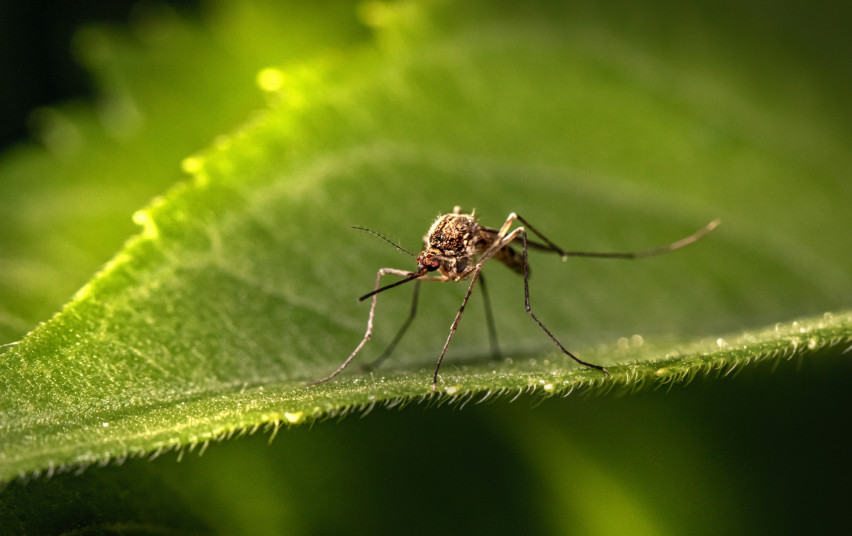
Specialists from Kaunas Department of the National Public Health Centre under the Ministry of Health (NPHC) remind that cases of imported malaria occur in the country every year, i.e., individuals get infected while visiting foreign countries where the disease is prevalent (mostly African countries). This year, 5 cases of imported malaria have already been reported. 2 of them were reported in Kaunas. Therefore, specialists advise travellers to exotic countries to prepare properly and look for information how to protect against this mosquito-borne disease.
According to WHO`s latest malaria report, there were an estimated 247 million malaria cases and 600 thousand deaths worldwide in 2021. Although according to WHO, there are more than 100 countries where the disease is prevalent, 95% of all illnesses and deaths were identified in African Continent. More than half of them were reported in 4 African countries: Nigeria, Democratic Republic of the Congo, Niger, and Tanzania. Malaria is also widespread in other tropical and subtropical climate zones such as Asia and Latin America.
In Lithuania in 2012–2022, 58 cases of malaria were reported. Three patients with tropical malaria died. Most cases of imported malaria in the last ten years were reported in 2013 and in 2015 (8 cases each year). Most of the sick people had travelled in the African Continent.
Most common cause of imported malaria cases reported in Lithuania was non-use or irregular use of antimalarial drugs before and during the trip, and insufficient personal protection against mosquitoes.
It is necessary to prepare for travel
Malaria is a life-threatening disease caused by parasites that are transmitted to people through the bites of infected female Anopheles mosquitoes. Typically, it features a fever, chills, and headaches.
NVSC Kaunas department specialists warn to prepare for trips to tropical countries with a risk of infection through a mosquito bite:
• Before the trip, look for the information whether the country is not malaria-endemic and consult a doctor about the use of drugs for prevention of malaria.
• Take medicines regularly as prescribed by the doctor.
• When travelling in malaria-endemic areas, wear long-sleeved shirts and long pants to cover your body fully, use repellents, window coverings, beds with canopies and take other measures to avoid mosquito bites. Mosquitoes mostly attack at sunset and sunrise, therefore at those times it is especially recommended to stay in a mosquito-proof room.
If you feel sick after traveling, do not ignore your symptoms (chills, fever, headache, muscle aches, weakness), and seek medical help at a treatment facility immediately. If such symptoms appear after returning from a trip (within a period of up to one year), you should also contact your doctor and inform him/her of having travelled in a malaria affected area, even if you took anti-malarial medication.
To check whether the country you are going to is malaria-endemic go to https://nvsc.lrv.lt/skiepai-keliautojams
Last updated: 20-07-2023
Related news:
The Second Peak of Tick Activity Begins in Autumn
NPHC: Don’t forget about tetanus protection when working outdoors
Preserving Season Is in Full Swing: NPHC Warns of the Hidden Risk of Botulism
The Start of the School Year Is the Right Time to Check Your Child’s Vaccinations
On World Mosquito Day, NPHC Reminds Travellers to Protect Themselves Against Mosquito Bites