

How to Prevent Foodborne Illnesses
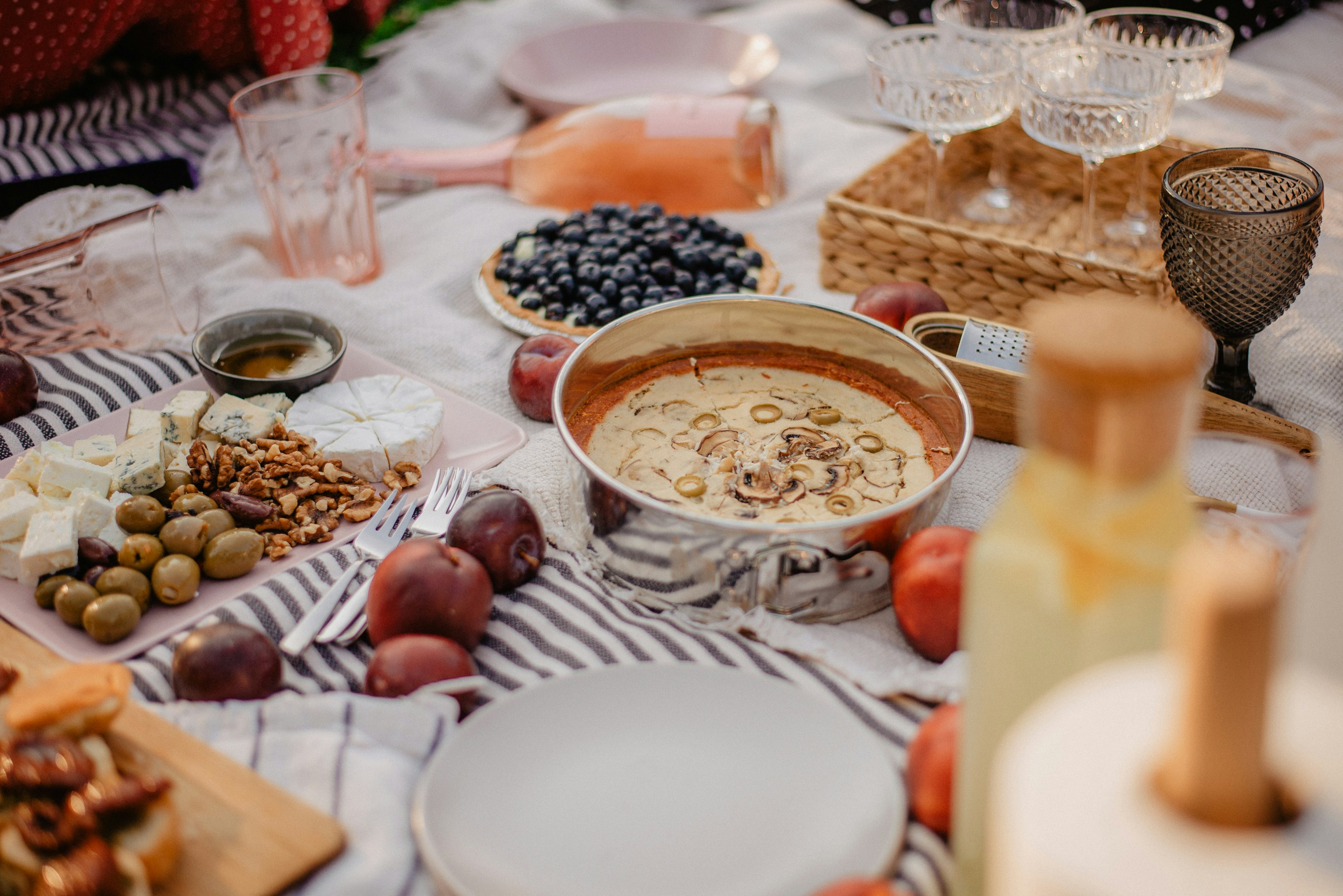
Unfortunately, it is not always possible to avoid intestinal diseases transmitted through food, even in summer, as higher temperatures create ideal conditions for bacteria to multiply quickly on food. According to the data from National Public Health Centre, over 2,700 cases of bacterial intestinal diseases were reported this summer, along with 16 family outbreaks. As the season of outdoor picnics, family celebrations, and gatherings continues, here are some essential rules to help keep everyone healthy while preparing food for yourself or a larger group.
The most common foodborne illnesses are salmonellosis, campylobacteriosis, and, less frequently, yersiniosis. Many cases of intestinal infections are recorded without identifying the exact pathogen. These illnesses can cause a range of symptoms, including abdominal pain, vomiting, and diarrhoea. Safe food preparation and proper hand hygiene are key to prevention.
Key Rules for Safe Food Preparation
1. Avoid perishable foods outdoors:
When picnicking, avoid foods that spoil quickly, such as milk, meat, fish, cooked dishes, vegetable salads with mayonnaise, and creamy products. Wash fruits and vegetables thoroughly. Do not wash produce in open water sources; use bottled drinking water brought from home instead.
2. Cook meat thoroughly:
Always ensure meat—especially poultry—is fully cooked. Avoid eating steaks or other meat dishes if pink juices are still present. Use a food thermometer to check temperatures; most thermometers indicate the required internal temperature for different types of meat.
3. Prevent cross-contamination:
Prepare and store food in a way that prevents microorganisms from raw ingredients from reaching ready-to-eat foods. Avoid using the same utensils (knives, spoons, cutting boards, scales) for raw and cooked foods. Use clean dishes and utensils, and if washing isn’t possible, use disposable ones.
4. Maintain clean surfaces and utensils:
Clean all tools and surfaces that come into contact with food thoroughly.
5. Practice proper hand hygiene:
Hands must always be clean when preparing or serving food. Unwashed hands may carry bacteria, viruses, or parasite eggs. Even though cooking kills most microorganisms in food, they can remain on hands and preparation surfaces. Poor hand hygiene can contaminate ready-to-eat dishes.
Wash hands after handling raw animal products (meat, fish, eggs), after touching animals, after using the toilet, or after using a phone. When water and soap are unavailable outdoors, use wet wipes or hand sanitizer.
6. Do not prepare food if you are ill:
Anyone experiencing gastrointestinal problems should not cook for others. This rule is crucial in public catering facilities, but it is equally important at home to prevent infecting family and friends.
By following these guidelines, you can significantly reduce the risk of foodborne illnesses and enjoy meals safely, whether at home or outdoors.
Last updated: 14-08-2025
Related news:
The Second Peak of Tick Activity Begins in Autumn
NPHC: Don’t forget about tetanus protection when working outdoors
Preserving Season Is in Full Swing: NPHC Warns of the Hidden Risk of Botulism
The Start of the School Year Is the Right Time to Check Your Child’s Vaccinations
On World Mosquito Day, NPHC Reminds Travellers to Protect Themselves Against Mosquito Bites