

Dangerous Bacteria Lurking in the Soil: Vaccination Offers Protection
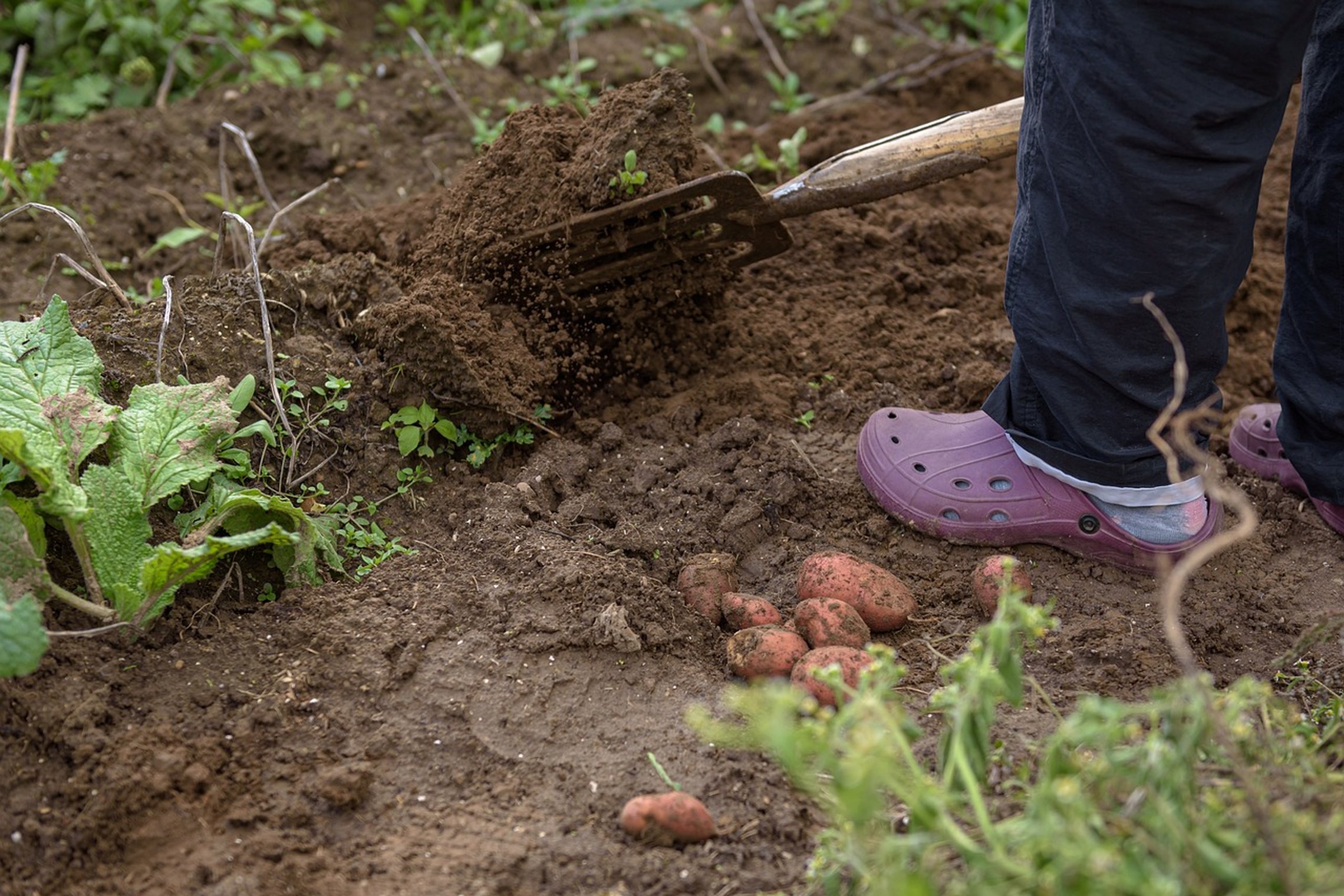
As the gardening season comes to an end, the National Public Health Centre (NPHC) urges people to handle their summer produce safely, wear gloves, and care for wounds. Even a minor injury caused by a dirty or sharp tool, an object like an old rusty nail, or a simple cut or puncture can lead to a deadly disease—tetanus. The NPHC reminds residents that the risk of contracting this dangerous infection increases if it has been more than 10 years since their last vaccination.
On average, 1-2 tetanus cases are reported in Lithuania each year. Between 2010 and 2023, 22 cases were registered, 8 of which were fatal. Last year, three people were diagnosed with tetanus in the country: one in the 18-24 age group and two in the 25-44 age group. All required hospital treatment. One case was reported between January and July this year. The individual did not survive.
Update vaccinations every 5-10 years
Tetanus is most common among older adults. Children receive protection through a vaccine that guards against tetanus, whooping cough, and diphtheria as part of Lithuania's childhood vaccination schedule (administered at 2, 4, 6, and 18 months, as well as at 6-7 and 15-16 years). To ensure long-term immunity, adults are advised to receive a booster vaccination every 5-10 years.
In Lithuania, adults aged 26 and older are eligible for free tetanus vaccinations every ten years. This vaccine also protects against diphtheria. It is important to note that immunity from tetanus does not develop after exposure or recovery, making vaccination the only reliable means of protection.
"Tetanus differs from other diseases in that it is not transmitted from person to person and can be entirely prevented through vaccination. However, the uptake of prophylactic vaccination among adults has been rather slow. For example, 33,367 adults were vaccinated last year, and 23,277 the year before," says Daiva Razmuvienė, Chief Specialist at the Communicable Disease Management Division of the NPHC.
Those at a higher risk of contracting tetanus include individuals who have never been vaccinated, those who have not completed the full vaccination course, or those whose last vaccination was more than 10 years ago. People working in agriculture and older adults are also at an increased risk due to potentially weakened immunity. Anyone wishing to get vaccinated is advised to contact their doctor.
Causes muscle spasms
Tetanus is an acute, often fatal infectious disease caused by a toxin produced by the bacterium Clostridium tetani, which affects the nervous system and leads to muscle spasms.
"Tetanus spores are found in the intestines of many mammals (such as horses, sheep, cattle, dogs, cats, and rats) as well as humans. These spores are excreted into the soil through faeces. While the tetanus bacterium does not cause illness if it enters the body through the mouth, it can become deadly if it infects an open wound," explains the epidemiologist.
Last updated: 16-09-2024
Related news:
The Second Peak of Tick Activity Begins in Autumn
NPHC: Don’t forget about tetanus protection when working outdoors
Preserving Season Is in Full Swing: NPHC Warns of the Hidden Risk of Botulism
The Start of the School Year Is the Right Time to Check Your Child’s Vaccinations
On World Mosquito Day, NPHC Reminds Travellers to Protect Themselves Against Mosquito Bites