

A Reminder Regarding Legionellosis in Neighbouring Poland
Yesterday, health authorities notified of a deadly outbreak of Legionnaires' disease in the city of Rzeszów, located in the south-east of Poland. The source of the infection has not been identified yet. NPHC is very closely following the information published by their Polish colleagues. The identification of the possible source of the disease in Poland can be very helpful when investigating similar cases in Lithuania. It is worth mentioning that because of more cases of legionellosis in the first half of this year compared to the year before, a new Hygiene Norm was approved, which requires to ensure that the temperature of hot water in the water supply system should not be lower than 50 °C.
Main rules:
Drain stagnant water. Legionella bacteria rapidly grow or multiply in water of 20°C to 45°C, hence after a longer period of not using hot water, for example, after returning home from a 2-week-holiday, it is first necessary to let the hot water run from your tap for 5 minutes before taking a shower.
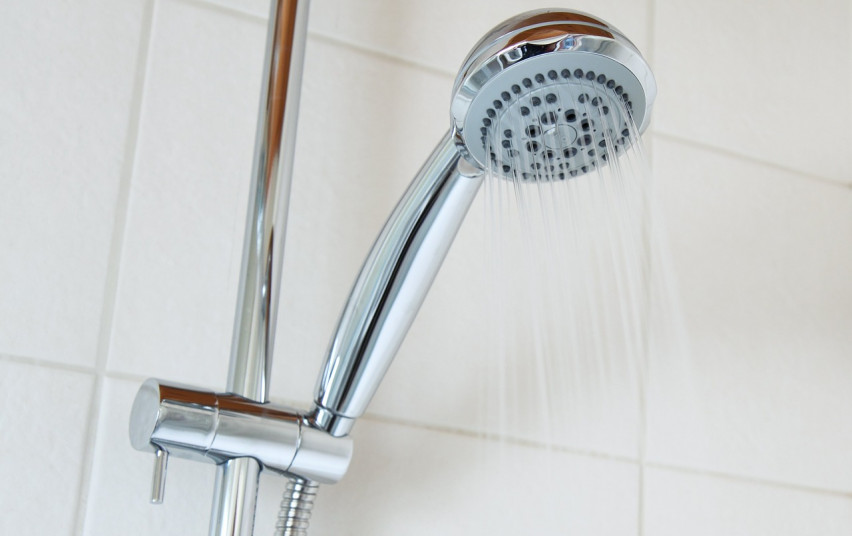
Clean shower heads and taps regularly. Legionnaires' disease is contracted by inhaling water droplets - an aerosol that forms, for example, when taking a shower. It is in the shower heads or faucets, in the sediments that accumulate over time, that legionella can appear and multiply. It is recommended that these be cleaned at least once a month to avoid limescale.
Keep proper water temperatures. In order to prevent dangerous bacteria (legionella) from accumulating in water systems, maintain hot water temperatures at 50 °C and cold water below 20 °C.
Last updated: 29-08-2023
Related news:
The Second Peak of Tick Activity Begins in Autumn
NPHC: Don’t forget about tetanus protection when working outdoors
Preserving Season Is in Full Swing: NPHC Warns of the Hidden Risk of Botulism
The Start of the School Year Is the Right Time to Check Your Child’s Vaccinations
On World Mosquito Day, NPHC Reminds Travellers to Protect Themselves Against Mosquito Bites