

NPHC Reminder for Travellers – Beware of Chikungunya
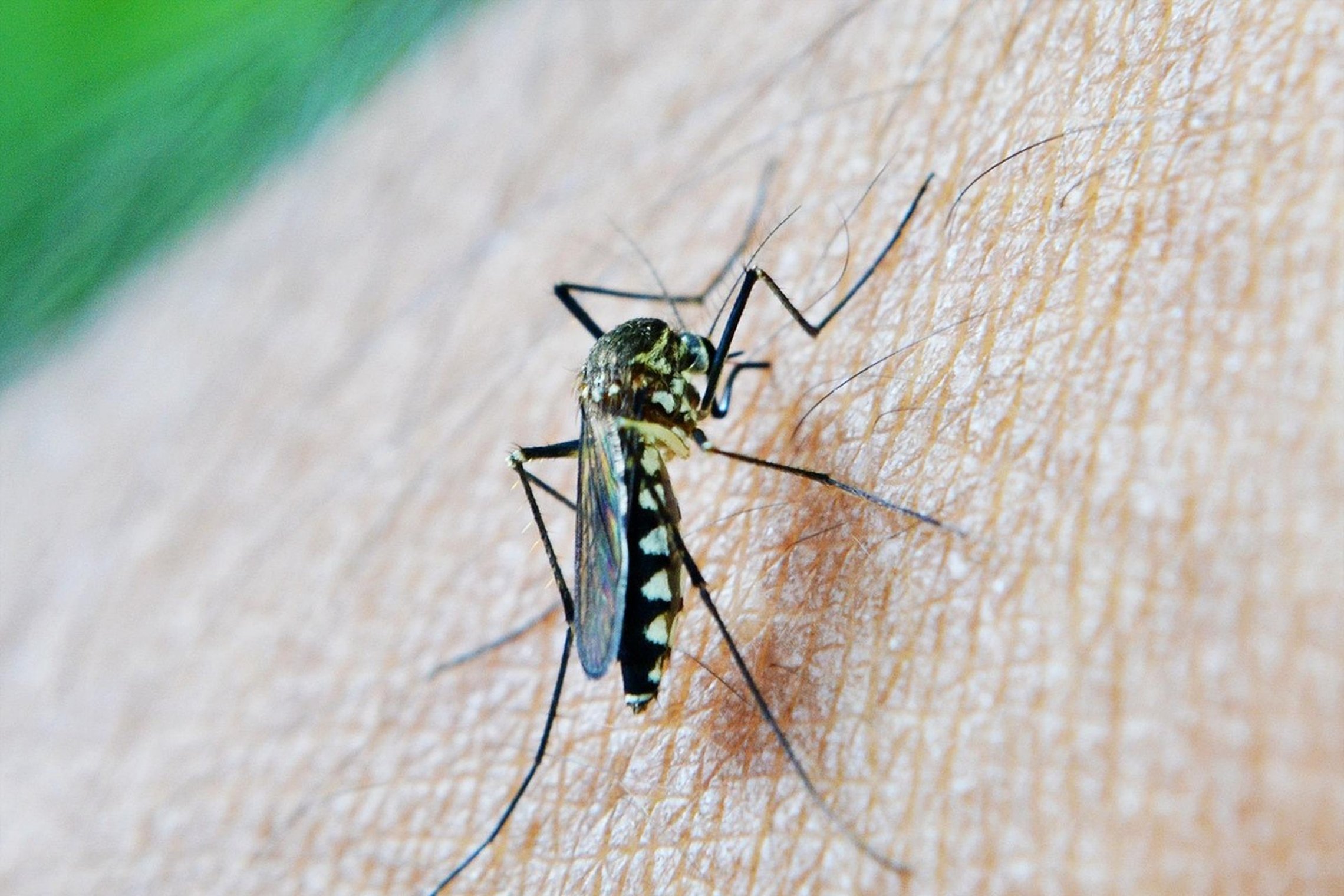
The World Health Organization reports a rapid spread of the chikungunya virus in the Western Pacific region – over 14,000 cases have already been recorded this year. Although no deaths have been reported, the virus has spread locally in five countries. Since the end of 2024, 119 countries worldwide have confirmed local transmission. Specialists at the National Public Health Centre (NPHC) emphasize that due to intense travel flows and climate change, the threat of such diseases may also reach other parts of the world.
“Chikungunya is widespread in various tropical and subtropical countries in Africa, Asia, and the Americas, where climate conditions are favourable for the main carriers of the virus – Aedes aegypti and Aedes albopictus mosquitoes. No local cases of chikungunya have been registered in Lithuania, but increasingly frequent tropical disease outbreaks worldwide remind us that infectious diseases know no borders. Therefore, it is important to be aware of infectious diseases present in different parts of the world and apply appropriate preventive measures while traveling,” says Milda Žygutienė, chief specialist in the Communicable Disease Management Department at NPHC.
What is chikungunya?
Chikungunya is a viral disease transmitted by mosquito bites, mainly Aedes aegypti and Aedes albopictus (also known as tiger mosquitoes). The illness usually manifests as fever, joint, muscle, or headache pain. For most, symptoms subside within a week, but for some, joint pain may persist for months or even years. More severe disease progression is characteristic of infants, the elderly, and those with chronic conditions.
How to protect yourself?
The risk of infection from mosquito bites can be reduced by limiting mosquito breeding sites (removing open containers with standing water at home and in the yard, trash, flowerpots, and boxes where rainwater may accumulate), destroying mosquitoes with insecticides, etc.
Residents of endemic countries or those traveling to them are advised to protect themselves from mosquito bites:
- use mosquito repellents according to package instructions;
- wear clothing that covers most of the body;
- use mosquito nets indoors, especially in living spaces, both day and night;
- spray insecticides in dark areas of rooms, etc.
“For travellers to endemic countries, we recommend paying special attention to applying all protective measures. If fever, headache, or joint pain appears within a few days after returning from a trip, it is important to consult a doctor and mention the recent travel,” emphasizes the NPHC representative.
Vaccine
On June 28, 2024, the European Commission approved the world’s first chikungunya vaccine – Ixchiq, intended for adults aged 18 and over. The vaccine was also registered in Lithuania (since June 27, 2024), but it is not yet available. The European Medicines Agency stresses that the vaccine is recommended only in cases of high infection risk, after assessing its benefits and possible risks.
Currently, Lithuania does not have mosquito species that transmit chikungunya, and the climate is still not favourable for them to survive and reproduce. However, due to climate change, this situation may change in the future. Therefore, the vaccine is mainly relevant for those traveling to endemic or outbreak-affected countries.
Last updated: 08-09-2025
Related news:
The Second Peak of Tick Activity Begins in Autumn
NPHC: Don’t forget about tetanus protection when working outdoors
Preserving Season Is in Full Swing: NPHC Warns of the Hidden Risk of Botulism
The Start of the School Year Is the Right Time to Check Your Child’s Vaccinations
On World Mosquito Day, NPHC Reminds Travellers to Protect Themselves Against Mosquito Bites