

On World Mosquito Day, NPHC Reminds Travellers to Protect Themselves Against Mosquito Bites
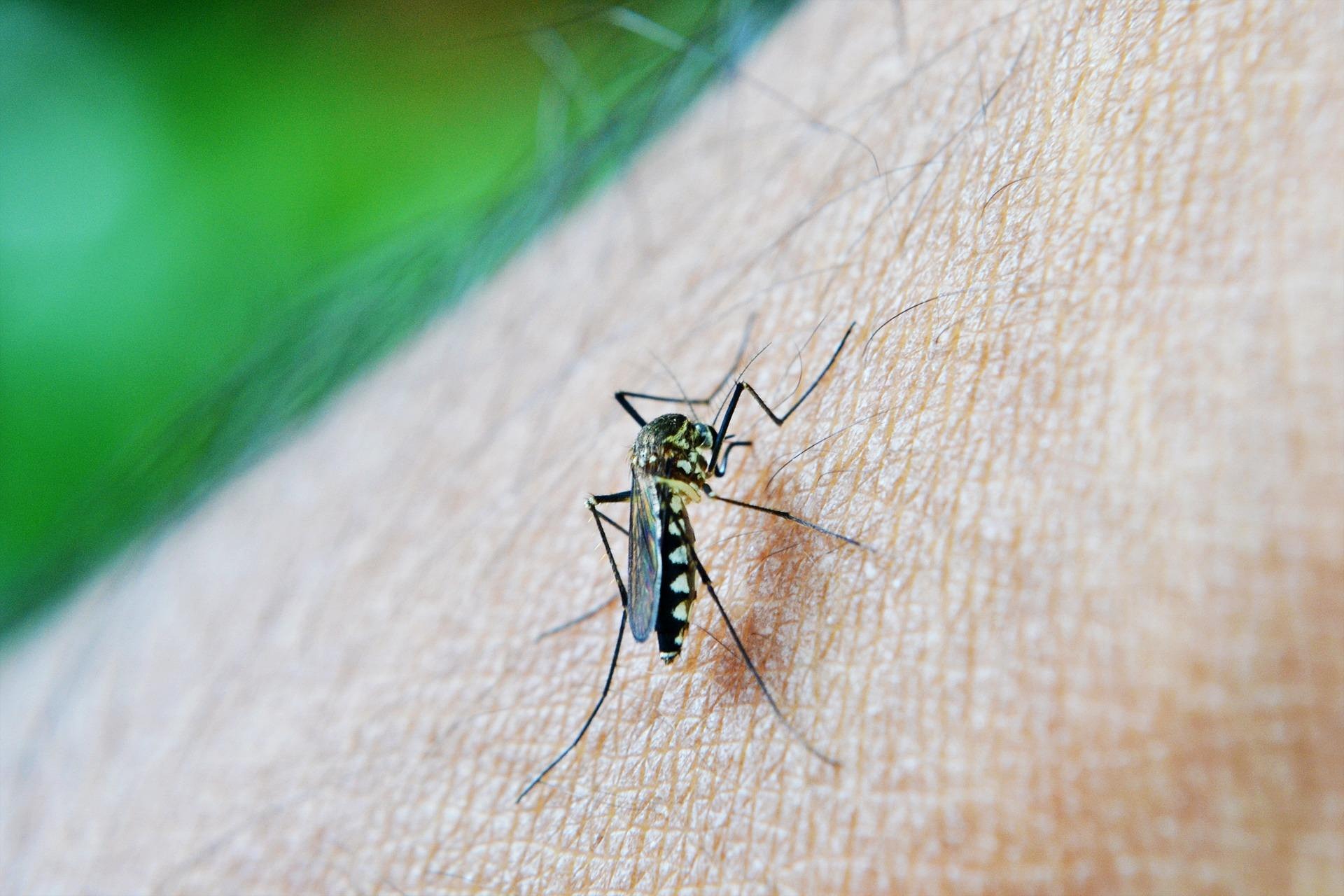
The National Public Health Centre under the Ministry of Health (NPHC), marking World Mosquito Day on 20 August, reminds travellers that mosquito-borne diseases such as malaria, dengue, chikungunya, Zika virus disease and others are reported in Lithuania as imported infections. This means that people can become infected while travelling abroad in regions where these diseases are endemic. Mosquito-borne diseases cause more than one million deaths worldwide every year, making mosquitoes the world’s deadliest disease vectors. Before travelling, it is important to check the epidemiological situation in the destination country and take appropriate measures to protect against mosquito bites.
A Mosquito Bite Is More Than Just a Nuisance
Mosquito-borne diseases are infections transmitted through the bites of infected mosquitoes. When feeding on the blood of an infected person or animal, a mosquito can acquire a virus or parasite and later transmit it to another person through a bite. Only female mosquitoes feed on blood, which they need to develop their eggs. During feeding, they can transmit a range of disease-causing pathogens. Depending on the mosquito species and the region, mosquitoes can transmit different infections, including dengue and malaria.
Although a mosquito bite is usually considered unpleasant rather than dangerous, its appearance does not necessarily indicate whether there is a risk of infection. A bite from an infected mosquito may look completely normal and may not cause swelling, itching or any other noticeable symptoms. Therefore, after travelling to an area where mosquito-borne diseases are present, anyone who develops symptoms of illness—particularly a sudden fever—should seek medical attention without delay and inform the doctor about their recent travel.
What Diseases Are Spread by Mosquitoes?
Mosquitoes can transmit a range of viral and parasitic infections. Travellers to tropical and subtropical regions may be exposed to diseases such as:
- Malaria – a parasitic disease transmitted by mosquitoes. Typical symptoms include episodes of fever, chills, sweating, headache and muscle pain.
- Dengue – a viral infection that can cause high fever, headache, muscle and joint pain, rash and nausea.
- Chikungunya – usually causes fever and severe joint pain.
- Zika virus disease – is often mild or asymptomatic but can be particularly dangerous during pregnancy, as infection during pregnancy can lead to serious birth defects.
- West Nile virus disease – often causes no symptoms or may present with fever and general malaise. In rare cases, however, it can affect the nervous system.
Yellow fever, Japanese encephalitis and other mosquito-borne diseases are also prevalent in certain regions.
Who Should Take Extra Precautions?
Pregnant women, young children, older adults and people with chronic conditions or weakened immune systems should take particular care to protect themselves against mosquito bites.
Protection against Zika virus is especially important for pregnant women. For travellers visiting areas where malaria is present, the need for individual preventive treatment should be assessed before departure. Anyone travelling to a malaria-risk area should consult a doctor in advance about preventive medication.
According to NPHC data, inadequate protection against mosquito bites and improper use of preventive medication are among the most common factors associated with imported malaria cases reported in Lithuania. The most effective protection combines taking prescribed preventive medication regularly before, during and after travel with measures to prevent mosquito bites. Taking medication only once or irregularly does not provide reliable protection.
How Can You Protect Yourself?
One of the most important ways to prevent mosquito-borne diseases is to avoid mosquito bites. Combining personal protective measures with appropriate environmental measures can significantly reduce contact with mosquitoes.
NPHC recommends that travellers:
- Use mosquito repellents – apply repellents such as creams or sprays, particularly at dawn and dusk, when mosquitoes are most active.
- Wear clothing that covers the skin – in areas where mosquito-borne diseases are a risk, choose long sleeves and long trousers.
- Stay in mosquito-protected accommodation – whenever possible, choose accommodation with screens on windows and doors.
- Use mosquito nets when sleeping outdoors – especially when travelling to regions where mosquito-borne diseases are prevalent.
- Prevent stagnant water from accumulating – regularly empty and clean containers and other places where mosquitoes can breed.
Last updated: 20-08-2026
Related news:
The Second Peak of Tick Activity Begins in Autumn
NPHC: Don’t forget about tetanus protection when working outdoors
Preserving Season Is in Full Swing: NPHC Warns of the Hidden Risk of Botulism
The Start of the School Year Is the Right Time to Check Your Child’s Vaccinations