

The Start of the School Year Is the Right Time to Check Your Child’s Vaccinations
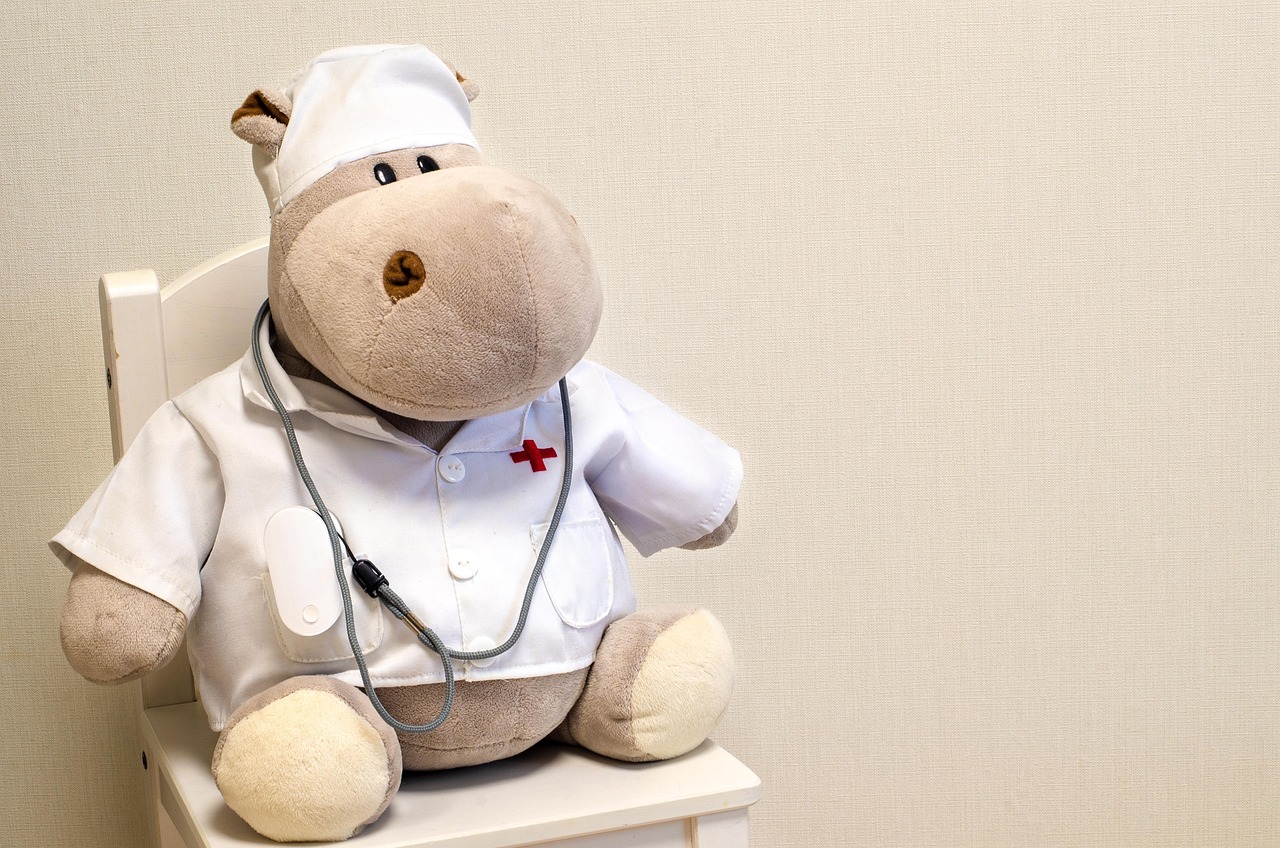
As autumn approaches and children prepare to return to school and preschool, the National Public Health Centre (NPHC) under the Ministry of Health encourages parents to make sure their children are up to date with their vaccinations. Parents are advised to check whether their child has received all vaccines recommended for their age and whether any scheduled vaccinations have been missed.
The start of the school year is often accompanied by an increase in infectious diseases. Children spend more time together indoors and have close contact with one another, creating favourable conditions for the spread of infections that can be prevented through vaccination.
Health specialists remind parents that missed vaccinations can be caught up. Parents should contact their child’s doctor, who will review the child’s vaccination history and, if necessary, develop an individual catch-up vaccination schedule.
Which vaccinations are recommended for preschool-aged children?
Under the Lithuanian Childhood Preventive Vaccination Schedule (the Schedule), the most important vaccinations for preschool-aged children are given during the first two years of life. By 18 months of age, children are vaccinated against hepatitis B, tuberculosis, pertussis, diphtheria, tetanus, polio, Haemophilus influenzae type b (Hib) infection, pneumococcal disease, measles, mumps and rubella.
“Children in preschool groups spend a great deal of time in close contact with one another, so infections can spread particularly quickly. Vaccination is the main way to protect children from these diseases and reduce the risk of their spread in the group. Therefore, when a child starts attending preschool, it is important to check whether they have received all vaccinations recommended for their age.
“This is relevant not only for young children who are just starting preschool, but also for those who have already been attending for a second or third year. If a child has not been vaccinated on time, we encourage parents to contact their doctor and discuss an individual vaccination schedule to ensure that the child is protected while attending preschool,” explains Rasa Liausėdienė, Adviser at the NPHC Communicable Disease Management Department.
Which vaccinations are recommended for school-aged children?
For school-aged children, important vaccinations are scheduled at ages 6–7, 11 and 15–16.
According to the Schedule, children aged 6–7 receive booster vaccinations against pertussis, diphtheria, tetanus and polio, as well as measles, mumps and rubella. All children aged 6–7 are also recommended to have a tuberculin skin test (Mantoux test), which helps identify infection with tuberculosis bacteria.
At the age of 11, children are also eligible for vaccination against human papillomavirus (HPV).
HPV is a very common virus that can cause a range of diseases, including precancerous changes and cancer. In women, HPV can cause cervical, vaginal and vulvar cancers, while in men it can cause anal and penile cancers. In both sexes, HPV infection is also associated with cancers of the mouth, throat, larynx, base of the tongue, tonsils and salivary glands.
“HPV vaccination is most effective when administered at a young age, before exposure to the virus. That is why it is important not to delay vaccination and to take advantage of the opportunity to protect your child from HPV-related diseases. It is also important to remember that HPV vaccination is recommended for both girls and boys,” says Rasa Liausėdienė.
Adolescents aged 15–16 receive booster vaccinations against diphtheria, tetanus and pertussis.
Vaccination protects not only the child
Vaccination remains one of the most effective ways to protect people against vaccine-preventable infectious diseases and their complications. By vaccinating their children according to the Schedule, parents not only protect their own children but also contribute to community protection against infectious diseases.
When vaccination coverage declines, more people are left without adequate protection against certain infections, increasing the risk of disease outbreaks. It is important to remember that not everyone can be vaccinated because of their health condition. Maintaining sufficiently high vaccination coverage therefore also helps protect members of the community for whom infectious diseases may pose a particularly serious risk.
“Vaccinations do not always take place exactly when scheduled. An illness, other circumstances or simply a missed appointment may cause a delay. However, this does not mean that vaccination needs to be started from the beginning or that it is too late to vaccinate.
“If, for any reason, a child has not been vaccinated according to the Schedule, vaccination can be started or continued later. In such cases, parents should contact their child’s doctor, who will develop an individual vaccination plan to ensure the child receives the necessary protection,” the NPHC representative reminds.
Last updated: 20-08-2026
Related news:
The Second Peak of Tick Activity Begins in Autumn
NPHC: Don’t forget about tetanus protection when working outdoors
Preserving Season Is in Full Swing: NPHC Warns of the Hidden Risk of Botulism
On World Mosquito Day, NPHC Reminds Travellers to Protect Themselves Against Mosquito Bites