

Experts Remind Everyone to Think of Food Hygiene when Preparing Festive Feast
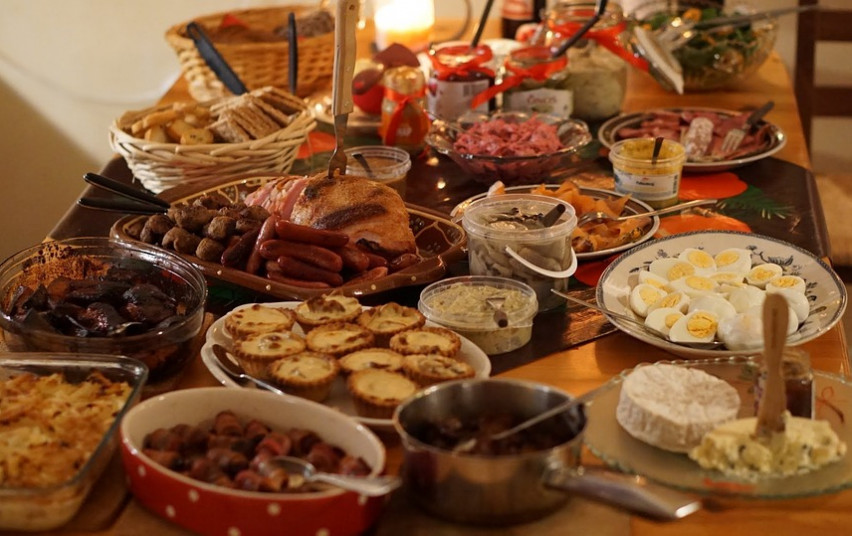
Overwhelmed with festive bustle and jolly mood we tend to turn a blind eye to some rules, but when it comes to preparing a festive feast, we should not allow ourselves such luxury, according to NPHCexperts. When preparing food, it is necessary to follow basic rules of hygiene, otherwise the festive joy can be overshadowed by an intestinal infection.
One of the most important rules is hand hygiene
Public health experts say that it is always important to wash your hands before cooking and before eating. Although pathogenic microorganisms in unprepared food are destroyed during heat treatment, they can remain on hands after the product has been processed.
This means that, if hand hygiene requirements are not met, there is a chance of contaminating already prepared dishes. Hands should be washed with soap and water for at least 20 seconds.
Keeping the kitchen clean should be a top priority
Even if the kitchen looks clean externally, we should carefully maintain surfaces and tools that come into direct contact with food. They need to be washed with hot water and also disinfected. Cutting boards and knives used for processing raw meat or fish need a special care. When preparing meat or fish dishes, avoid wooden cutting boards, because they need to be properly washed and dried; however, moisture creates especially favourable conditions for pathogenic microorganisms to reproduce. Also, in order to prevent the reproduction of microorganisms in the kitchen, you should not forget to regularly change the use of cloths, sponges and towels.
Why is the same cutting boards not suitable for cutting meat and vegetables?
Cross-contamination is often overlooked during the holidays due to the abundance of food being prepared and the rush. Same tools and cutting boards are used for cutting raw meat and vegetables. In this way, pathogenic microorganisms can get into already prepared dishes.
Experts advise to use separate knives and cutting boards for each group of products to be processed, and if this is not possible, after preparing any dish, thoroughly wash and dry the tools before preparing other dishes.
Such cross-contamination can also occur in the refrigerator. Therefore, it is recommended to store all products sealed, and the products that pose a greater risk, i.e. raw meat, fish, etc., on separate lower shelves of the refrigerator.
Is it necessary to store prepared dishes in refrigerator?
Pathogenic microorganisms multiply quickly at room temperature, therefore it is necessary to put prepared and cooled dishes in a refrigerator and store them for no longer than 3 days. Also, it is very important to pay attention to the expiration dates of food products.
During holidays it happens that people draw out from the kitchen cupboards and use seeds and nuts that have been stored for too long, without taking note of the proposed shelf-life. Such behaviour can also pose a health risk, as even a small portion of unsafe product can contaminate the entire dish. Also, when thawing frozen food, it is best to plan ahead and thaw in the refrigerator where it will remain at a safe, constant temperature and not allow for pathogenic microorganisms to multiply.
Therefore, NVSC specialists recommend:
• Follow hand hygiene rules;
• Clean kitchen surfaces regularly
• Wash all kitchen equipment and tools
• Avoid cross-contamination
• Store goods in suitable conditions
• Follow the shelf-life of food products
Last updated: 17-05-2023
Related news:
The Second Peak of Tick Activity Begins in Autumn
NPHC: Don’t forget about tetanus protection when working outdoors
Preserving Season Is in Full Swing: NPHC Warns of the Hidden Risk of Botulism
The Start of the School Year Is the Right Time to Check Your Child’s Vaccinations
On World Mosquito Day, NPHC Reminds Travellers to Protect Themselves Against Mosquito Bites