

Tips from NPHC for Dealing with Increased Air Pollution
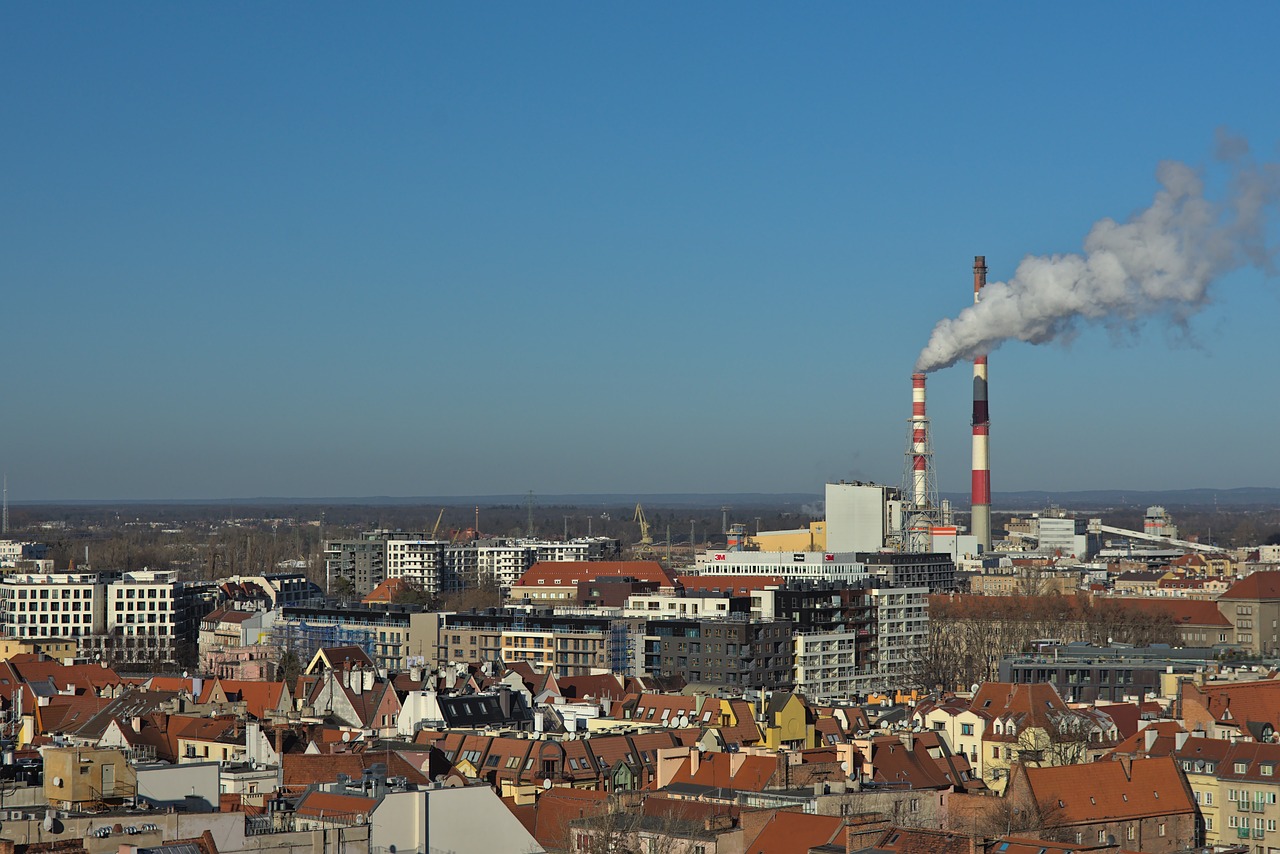
Specialists from the National Public Health Center (NPHC) note that the air pollution map published on the Environmental Protection Agency’s (EPA) website shows elevated PM10 particulate matter levels today (January 22) in nearly all Lithuanian cities where air quality monitoring stations are in operation. In addition, high concentrations of fine particulate matter (PM2.5) have been recorded at the Kaunas (Dainava) air quality monitoring station. The NPHC has issued health safety recommendations.
Particulate matter (PM) is a mixture of solid particles and liquid droplets suspended in the air. It may contain various components, including acids, sulfates, nitrates, organic compounds, metals, soil particles, dust, soot, and other substances. PM may also include biological components such as allergens and microorganisms.
Larger particles (PM10) usually affect the upper respiratory tract, reaching the bronchi and causing coughing and sneezing, while finer particles (PM2.5) can penetrate deep into the lungs and enter the bloodstream. These particles may affect not only the respiratory system but also the cardiovascular system, impair internal organ function, and aggravate chronic diseases.
People with asthma and other respiratory or cardiovascular diseases, older adults, infants, children, and pregnant women are considered a vulnerable (risk) group that is most affected by increased ambient air pollution and should take extra precautions.
Recommendations During Periods of Increased Air Pollution
- Individuals belonging to risk groups are advised to stay away from visible sources of pollution outdoors (busy streets, smoking chimneys, areas with noticeable odours). If this is not possible, it is recommended to remain indoors and monitor health conditions.
- People exercising outdoors are advised to choose locations farther from pollution sources and adjust the duration of physical activity according to their well-being.
- Those who must remain in polluted environments for extended periods due to work or other reasons are advised to wear respiratory protective equipment, taking into account the duration of exposure specified in the equipment’s technical requirements.
- Use public transport whenever possible.
- Do not light bonfires or burn waste in gardens or suburban areas.
- Clean indoor premises more frequently using wet cleaning methods.
- Monitor your health, and if you feel unwell, consult your family physician.
More detailed air quality monitoring data can be found on the EPA website at http://aaa.lrv.lt, under “Air Quality Today.”
Last updated: 23-01-2026
Related news:
The Second Peak of Tick Activity Begins in Autumn
NPHC: Don’t forget about tetanus protection when working outdoors
Preserving Season Is in Full Swing: NPHC Warns of the Hidden Risk of Botulism
The Start of the School Year Is the Right Time to Check Your Child’s Vaccinations
On World Mosquito Day, NPHC Reminds Travellers to Protect Themselves Against Mosquito Bites