

Botulism – Dangerous Disease That Can Be Prevented
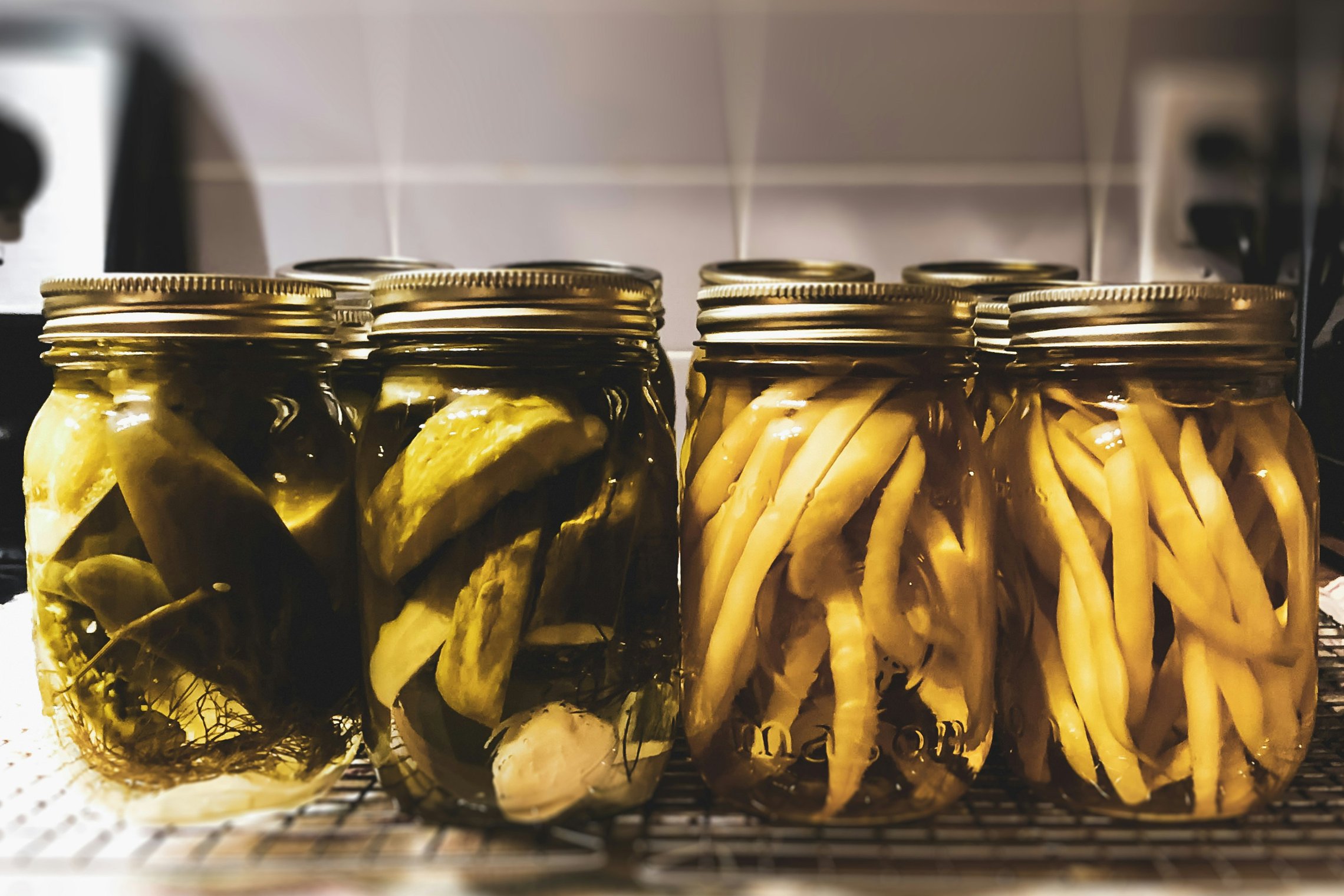
With the harvest and preservation season underway, the National Public Health Centre is drawing attention to a rare but dangerous disease – botulism. It is most often caused by a potent neurotoxin that enters the human body through food. Poisoning most commonly occurs after eating improperly prepared or stored meat, vegetables, canned mushrooms, or dried or smoked meat products. Therefore, it is very important to remember and follow food preparation rules that help prevent this disease.
How Is Botulism Contracted?
A person becomes infected with botulism after being poisoned by a toxin produced by bacteria that multiply under favourable conditions. Favourable conditions for these bacteria include the absence or low content of oxygen and a moist environment with low acidity. These conditions are found in cans, jars, and polyethylene packaging. Therefore, if food has been prepared without following proper rules of preparation and storage and has been contaminated with bacteria, there is a risk that botulinum toxin will develop.
Since botulinum toxin has no taste or smell, contaminated food products cannot be distinguished from safe ones by appearance, taste, or smell. Sometimes, due to gas accumulation, the lid of a jar or can bulges—this is a warning sign that the product is unsafe.
All people are sensitive to botulinum toxin, and if it enters the body, anyone can develop the disease. However, not everyone who eats the same food becomes ill because the toxin is unevenly distributed in the food product. Therefore, one person may receive a higher dose, while another may receive a lower or harmless dose.
The first signs of botulism usually appear 12–36 hours after eating contaminated food. Initially, severe fatigue, weakness, and dizziness may occur. Later, vision becomes blurred, as if looking through fog, and double vision may occur. The mouth becomes dry, and it becomes difficult to swallow and speak. Intestinal disorders may occur, such as nausea, vomiting, diarrhoea, constipation, or bloating. If the disease progresses, breathing may also be impaired, which is life-threatening.
There is no immunity to botulism, so a person can become ill again. A person with botulism cannot infect others.
Cases Are Rare in Lithuania
Cases of botulism are reported worldwide. In Lithuania, one case was recorded in each of the years 2018–2020. There were no cases in 2021–2022, two cases were recorded in 2023, and there were no cases in 2024 or 2025.
Botulism is relatively rare in Europe, but it is a serious disease with a high mortality risk (5–10%). In August this year, Italy reported two deaths from this disease associated with food, and the investigation is still ongoing.
How to Protect Yourself
There is no vaccine for this disease; hence, the only protection is safe food preparation and storage:
• Prepare food with clean hands.
• Use a separate cutting board and utensils for raw meat, and cook or bake meat thoroughly.
• Wash vegetables and mushrooms thoroughly before preserving.
• When preserving meat, mushrooms, and vegetables, use acid, salt, or sugar to inhibit bacterial growth.
• Choose food-grade canning containers and ensure that bacteria and spores are destroyed during the process (follow the required heat treatment time, temperature, and pressure).
• Store canned food in a cool place.
• Do not eat canned food if the lid is bulging or the contents look suspicious.
• Only buy canned food from reliable manufacturers.
Last updated: 29-08-2025
Related news:
The Second Peak of Tick Activity Begins in Autumn
NPHC: Don’t forget about tetanus protection when working outdoors
Preserving Season Is in Full Swing: NPHC Warns of the Hidden Risk of Botulism
The Start of the School Year Is the Right Time to Check Your Child’s Vaccinations
On World Mosquito Day, NPHC Reminds Travellers to Protect Themselves Against Mosquito Bites