

2022-2023 Flu Season: Getting Vaccinated Is Important
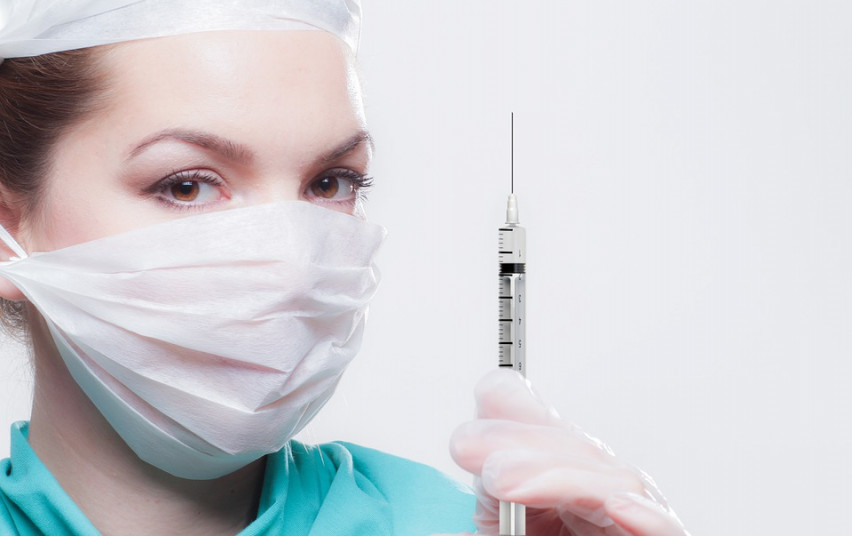
The National Public Health Centre under the Ministry of Health (NVSC) announces the start of 2022-2023 flu season in Lithuania this week, which will last until next May. During this period, NVSC specialists closely monitor flu and acute upper respiratory infections (AURI), and based on incidence rates, hospitalizations, and dynamics of morbidity, advice Municipalities on the need to announce epidemic and implement other prevention measures.
Up until now, over the course of a flu season, incidence rates of influenza and AURI in Lithuania were reported every week. This year starting from next Monday (2002-10-10), such reports will be supplemented with the data on COVID-19.
Seasonal flu vaccines are designed for the specific season, therefore every year you need an updated vaccine.
It is very important that people at high risk, who are more likely than others to develop severe disease after infection, should get vaccinated. Vaccination for them is free.
People at greater risk of severe disease or complications when infected include:
• Elderly individuals (aged more than 65 years);
• Pregnant women;
• Persons living in social care and nursing facilities;
• Persons with chronic medical conditions (cardiovascular, respiratory, kidney, immune mediated diseases, and malignant tumours);
• Healthcare workers.
You can receive shots for pneumonia, flu and COVID-19 at the same clinic visit. Regarding vaccination, it is recommended to consult your family doctor individually.
Last updated: 05-10-2022
Related news:
The Second Peak of Tick Activity Begins in Autumn
NPHC: Don’t forget about tetanus protection when working outdoors
Preserving Season Is in Full Swing: NPHC Warns of the Hidden Risk of Botulism
The Start of the School Year Is the Right Time to Check Your Child’s Vaccinations
On World Mosquito Day, NPHC Reminds Travellers to Protect Themselves Against Mosquito Bites