

NVSC Reminds of the Importance to Wash Hands Often and Properly
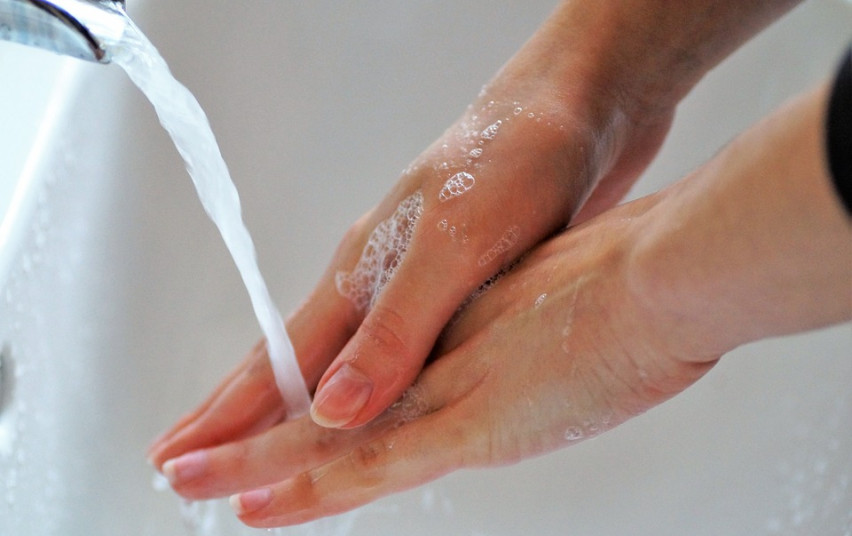
On Global Handwashing Day, which is celebrated every year on October 15, the National Public Health Center (NVSC) specialists remind that infections can spread by not washing your hands. That is why it is necessary to wash your hands often and properly.
"About 80% of infectious diseases are transmitted by unclean hands touching contaminated surfaces. Studies suggest that hand washing reduces the probability of diarrhoea by a third and the incidence of respiratory diseases by a fifth", points out Aušra Bartulienė, chief specialist of the Communicable Diseases Management Division at NVSC.
Proper hand hygiene reduces the risk of many diseases
Improper hand hygiene and poor hand washing skills increase the risk of contracting not only shigellosis, hepatitis A, viral intestinal infections (rotavirus and norovirus infection), but also flu and other upper respiratory tract infections. According to the World Health Organization, about 3 million people die from diarrhoea, and about 1.4 million people are infected with hepatitis A every year.
Rotavirus infection is one of the most common acute viral intestinal infections worldwide. Each year, rotavirus causes an estimated 100 million episodes of diarrhoea. In European countries, rotavirus accounts for about 17 % of all diarrhoea cases. It causes an intestinal infection manifested by vomiting, mild temperature, frequent and liquid bowel movements, and general intoxication of the body. Norovirus infection is the most common intestinal infectious disease of viral origin in Lithuania. Last year, 1,019 cases of the infection were registered.
Improper hand hygiene can lead to outbreaks
Last year, 5,978 cases of intestinal infectious disease were reported in Lithuania, of which 415 cases were rotavirus gastroenteritis. In 2021, 87 outbreaks were reported (236 people fell ill), including: 9 rotavirus infections, 19 norovirus infections, 6 salmonellosis, 4 other bacterial infections and 49 outbreaks of unidentified infections. "More than 80 % of all outbreaks occur annually in families due to improper food preparation and hand hygiene. The most common cause of outbreaks is rotavirus, norovirus and Salmonella," says the specialist.
When to wash your hands
NVSC specialists remind that it is necessary to wash hands not only when they are visibly dirty, but also before or after cooking, and before eating. Always wash your hands thoroughly after interaction with a sick person, after blowing your nose, sneezing or coughing. Also, remember to wash your hands after playing with your pets, after working in the garden, after riding public transport or returning from public places, after using the toilet or changing the baby's diaper.
Washing hands with soap removes disease-causing microorganisms that enter the human body through the hands when:
• Frequently touching the eyes, nose and mouth;
• Preparing food and drinks. In addition, microorganisms can multiply in food products and cause serious health problems;
• Touching environmental objects and surfaces.
How-to-hand-wash-poster
Last updated: 30-11-2022
Related news:
The Second Peak of Tick Activity Begins in Autumn
NPHC: Don’t forget about tetanus protection when working outdoors
Preserving Season Is in Full Swing: NPHC Warns of the Hidden Risk of Botulism
The Start of the School Year Is the Right Time to Check Your Child’s Vaccinations
On World Mosquito Day, NPHC Reminds Travellers to Protect Themselves Against Mosquito Bites